The Huracán is the modern, usable Lamborghini, with a naturally aspirated V10 and a dual-clutch gearbox that's a world away from the old E-gear. Service is more predictable than the marque's reputation implies, but it still wants a specialist for the electronics and the carbon-ceramic brakes.
Overview: generations and variants
The Huracán entered production in 2014 as the successor to the Gallardo, and it represented a genuine break from the E-gear single-clutch system that defined that era. The naturally aspirated V10 carried over in evolved form, but the seven-speed dual-clutch gearbox made the Huracán far more livable in daily driving. Subsequent variants added rear-wheel drive, the open Spyder, the track-focused Performante with active aerodynamics, and the STO, which strips weight aggressively for circuit use.
Which variant you own changes what a specialist needs to know. The Performante's active aero system requires specific diagnostic access for the ALA flap actuators. The STO's construction differs from the standard car in ways that affect body panel sourcing and repair. Before booking any Huracán service, confirm the shop has worked on your specific variant, not just Huracáns generally.
The naturally aspirated V10 and what it needs
The V10 in the Huracán is one of the more durable naturally aspirated exotic powertrains when it's maintained correctly. It doesn't carry the complexity of a turbo system or a hybrid stack, and the basic oil and filter service is straightforward. What creates cost is the ancillary work: the spark plugs require significant disassembly to access properly, and the cam belt inspection schedule on earlier cars isn't something to defer without accepting real risk.
Specialists who work on Huracáns regularly develop efficiencies with these jobs. A shop doing its first Huracán cam belt inspection will spend considerably more labor hours than one that has done the job dozens of times. That labor hour difference, multiplied by the shop rate, adds up across a major service. Experienced techs also know the failure points to look for during the process, not just the items on the official checklist.
Dual-clutch transmission service
The seven-speed dual-clutch transmission in the Huracán is fundamentally different from the E-gear system it replaced. It's smoother under normal driving, faster in aggressive mode, and more durable over time in stop-and-go conditions. However, it's not maintenance-free. The transmission fluid needs periodic replacement, and the mechatronic unit needs attention if any shifting irregularity develops, particularly hesitation at low speed or a shudder on take-off.
Find a shop that has done DCT service on Huracáns specifically. The fluid specification and the calibration step after a fluid change matter. Using the wrong fluid or skipping calibration after a fluid replacement is a documented source of future shifting problems. Ask the shop what fluid specification they use and whether they perform a calibration cycle post-service. If they don't know what you're asking, keep looking.
Carbon-ceramic brakes: costs and considerations
Many Huracáns left the factory with carbon-ceramic brake rotors, and replacement cost is the single most common sticker shock for new Huracán owners. CCB rotors aren't indefinitely durable. They can chip or crack from aggressive cold use, thermal cycling, or minor road debris impacts. Track use accelerates wear substantially. The pads designed for CCB rotors also need to be within spec to avoid uneven wear patterns that shorten rotor life.
A specialist will assess CCB rotor condition during any annual service inspection. Catching marginal rotors before they develop cracks is the difference between a standard brake pad service and a much larger bill. Owners who don't plan to track the car should also ask whether they want to run CCB replacements at all, since conventional iron rotors are dramatically less expensive and adequate for road use.
Buying a Huracán: what a pre-purchase inspection should cover
A pre-purchase inspection on a Huracán should give specific attention to dual-clutch condition, CCB rotor life if equipped, and suspension geometry alignment. Huracáns that have seen meaningful track time accumulate wear faster on brakes, tires, and the front splitter. A car sold without acknowledging its track history isn't automatically a problem, but it warrants closer inspection of all wear items and the undertray.
Ask for records of DCT fluid changes and major service work. Cars with documented service at dealers or recognized independents are easier to evaluate than those with receipts from unknown shops or gaps in the paper trail. A gap in service history isn't disqualifying, but it should lower the price enough to cover unknown deferred maintenance.
What to check on a Lamborghini Huracán
- Dual-clutch and V10 service experience
- Carbon-ceramic brake knowledge
Common questions
Is the Huracán reliable?
It's considered one of the more dependable modern supercars thanks to its Audi-derived engineering, when maintained by a marque specialist.
What is the typical service interval for a Huracán?
Oil and filter service is generally due annually or around every 7,500 miles. Major service points covering cam belts, spark plugs, and transmission fluid come at longer intervals specified in the factory documentation. Don't extend oil intervals on a car that sits frequently between drives; oil degradation is time-dependent as well as mileage-dependent.
How long do carbon-ceramic brake rotors last on a Huracán?
Under mostly road use without track days, CCB rotors can last many years. Track use shortens their life significantly. Chipping, cracking, or severe grooving typically means replacement rather than resurfacing. A specialist inspection during annual service will identify rotors approaching end of life before they become a safety or cost surprise.
Is the rear-wheel-drive Huracán harder to maintain than the AWD version?
Simpler in some ways. The rear-wheel-drive LP580 and EVO RWD lack the front differential and its associated service needs, which removes a maintenance item and a potential failure point. The specialist still needs the same diagnostic access for everything else. There's no meaningful difficulty premium on the RWD car.
Should I buy a Huracán with documented track use?
Not necessarily a reason to avoid, but it changes what needs inspecting. Track cars need closer attention on brakes, tires, suspension geometry, and the front aero components. A specialist PPI on a tracked car will cost the same as any other, but the findings will be more extensive. Price accordingly.
Find a Lamborghini specialist
Lamborghini Huracán owners use Lamborghini specialists for service, PPI, and restoration.
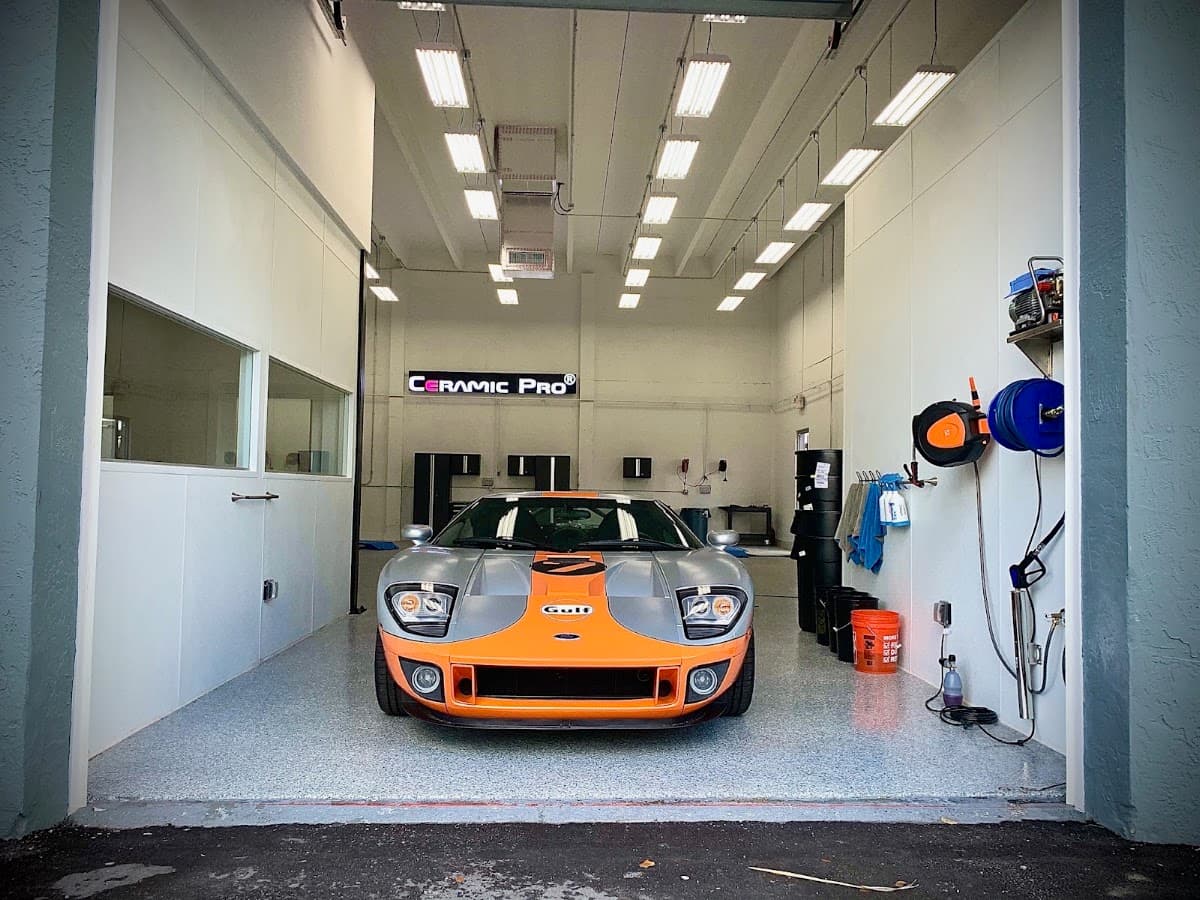
Detail Boutique
Miami
exotic & classic paint protection in Miami

Foreign Performance - BMW | Lamborghini | Porsche Performance and Repair
North Broadway
exotic & classic service in Palm Beach
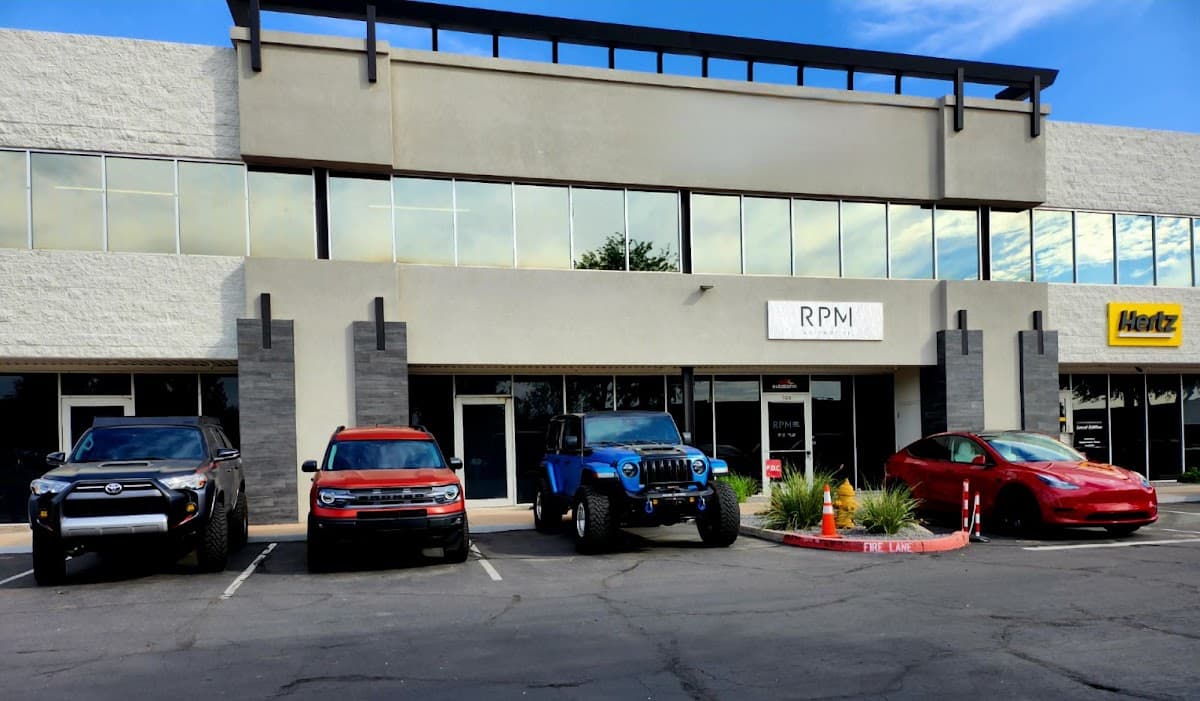
RPM Auto Styling
Scottspark Business Center
exotic & classic paint protection in Scottsdale