At a glance
Paint protection film is a clear urethane layer that stops rock chips and light abrasion, while ceramic coating is a hard chemical layer that makes paint easier to clean and harder to etch. Many exotic owners use both. Installer prep and skill matter as much as the film itself, so judge a shop on its finished cars and its manufacturer certification.
- Shops listed
- 274
- Cities
- 39
- City guides
- 29
- Brands covered
- 5
- PPF stops rock chips; ceramic coating doesn't, though it resists etching from bird droppings and bugs.
- Full-body film is common on exotics because repainting a single panel risks a visible color mismatch.
- XPEL, STEK and SunTek generally tie their film warranties to installation by an authorized shop.
- Have the paint corrected before film goes on, since anything underneath stays there for years.
How much do PPF and ceramic coating cost?
Prices for film depend on how much of the car you cover, whether the installer wraps edges or uses pre-cut panels, and how complex the bodywork is. Exotic bumpers and vents take far longer to film than a sedan's, so expect the upper half of each range on most of the cars in this directory.
How much does full-front PPF cost?
About $1,800 to $3,000. Full front covers the bumper, full hood, front fenders and mirrors, which is where nearly all rock chips land. Wrapped edges and fewer seams cost more than a pre-cut kit and look better up close.
How much does full-body PPF cost?
Roughly $5,500 to $9,000 for most exotics, and $10,000 or more for matte film or complex aero. A full-body wrap covers every painted panel. Prices climb when the installer has to remove bumpers, lights or badges to tuck the edges, which is also what keeps the film from lifting later.
How much does a professional ceramic coating cost?
About $1,000 to $2,500, including paint prep. Most of that price is the paint correction done before the coating goes on, since a coating locks in whatever swirls are under it. Multi-year coatings sit at the top of the range, and a new car with clean paint needs less prep.
How much does it cost to ceramic coat over PPF?
Usually $500 to $1,200 added to the film job. Coating the film makes it easier to wash and slows down staining, and installers often discount it when you book it with the wrap. Ask for a coating that's rated for film, since not every product is.
Typical US prices at independent specialists, before tax. Your quote depends on the car, its condition and the shop. Updated October 2026.
PPF versus ceramic coating: what each one actually does
Paint protection film is a physical layer, typically a thermoplastic urethane film several thousandths of an inch thick, applied over the paint. It stops rock chips and light abrasion, and many modern films have a self-healing top coat that lets fine swirls fade with heat from the sun or warm water.
A ceramic coating is a thin, hard chemical layer bonded to the surface. It adds gloss and hydrophobic behavior, so water and dirt release more easily, and it resists chemical etching from bird droppings and bug residue better than bare clear coat. What it won't do is stop a rock chip. Many owners combine the two: film on the impact areas or the whole car, with a coating over film and paint for easier care.
Full-body, track pack, or front clip: how much film do you need?
A front clip or partial front package covers the bumper, the leading part of the hood and fenders, and the mirrors, which is where most chips happen. A track package adds rocker panels, rear arches, and other areas that take stone damage on low, wide cars. A full-body wrap covers every painted panel.
On exotics, full-body coverage is common because the cars are low, the rear arches catch debris thrown by the front tires, and repainting any single panel risks a visible mismatch on special colors. The right choice depends on how and where you drive. A car that sees highway miles and track days needs more coverage than a garage queen that only goes to shows.
Paint correction before protection
Film and coating lock in whatever is underneath, so the paint should be corrected first. On a new car that may mean a light polish to remove transport marks and dealer wash swirls; on a used car it can mean a multi-stage correction. An installer who skips preparation seals swirls and contamination under a layer meant to last years.
Ask what preparation is included in the quote, how they decontaminate the paint, and whether they inspect with proper lighting before film goes on. Price differences between installers often come down to the preparation stage.
Heat, sun, and climate: protection in desert and coastal markets
Climate changes the case for protection. Desert markets like Scottsdale combine intense sun with blowing sand, which makes film and a UV-resistant coating especially worthwhile, while coastal owners deal more with salt air and humidity, so easy cleaning and chemical resistance count for more. Snow states bring winter road grit, and that chips paint quickly.
Ask local installers how their films and coatings have held up in your climate over several years, and what aftercare they recommend. A good shop will explain realistic film life, how to wash a protected car, and when a coating should be topped up.
What to look for in a shop
- Manufacturer certification for the film brand they install, with the warranty in writing
- Wrapped edges and minimal seams on finished cars you can inspect in person
- Paint correction and decontamination included before film or coating
- Experience with your model's panel shapes and special paint finishes
Exotic Car PPF & Ceramic Coating specialists by city
274 PPF and ceramic coating specialists across 39 cities. Pick a city for the full local list.
Top-rated across the directory
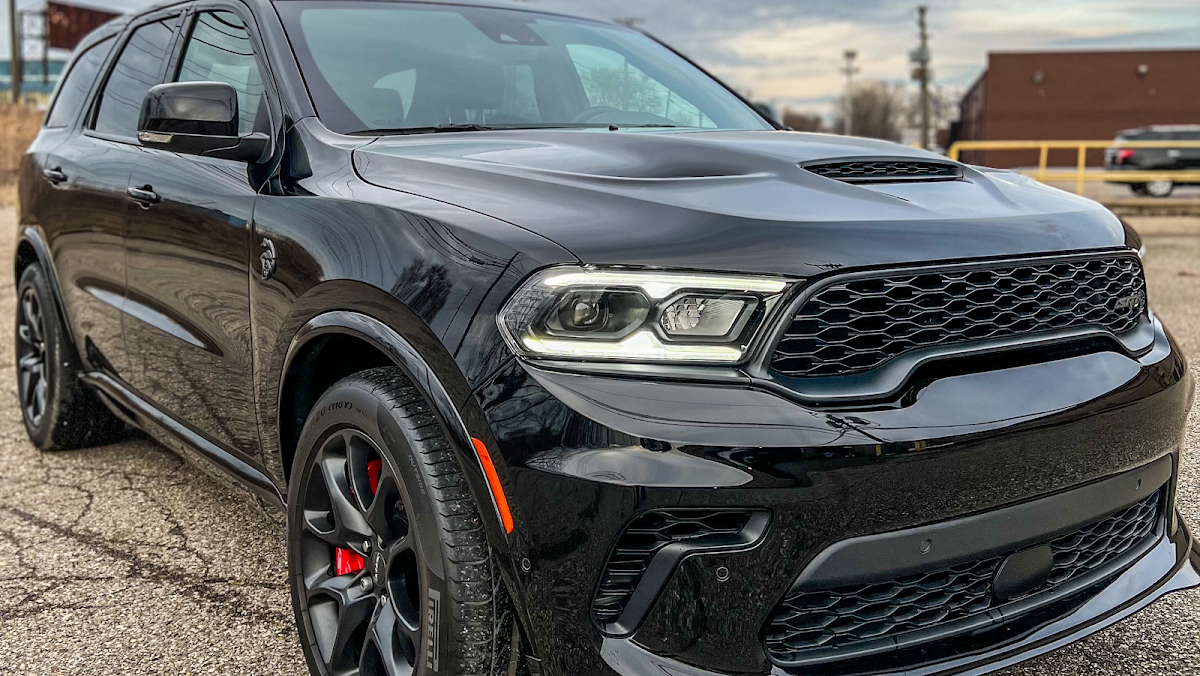
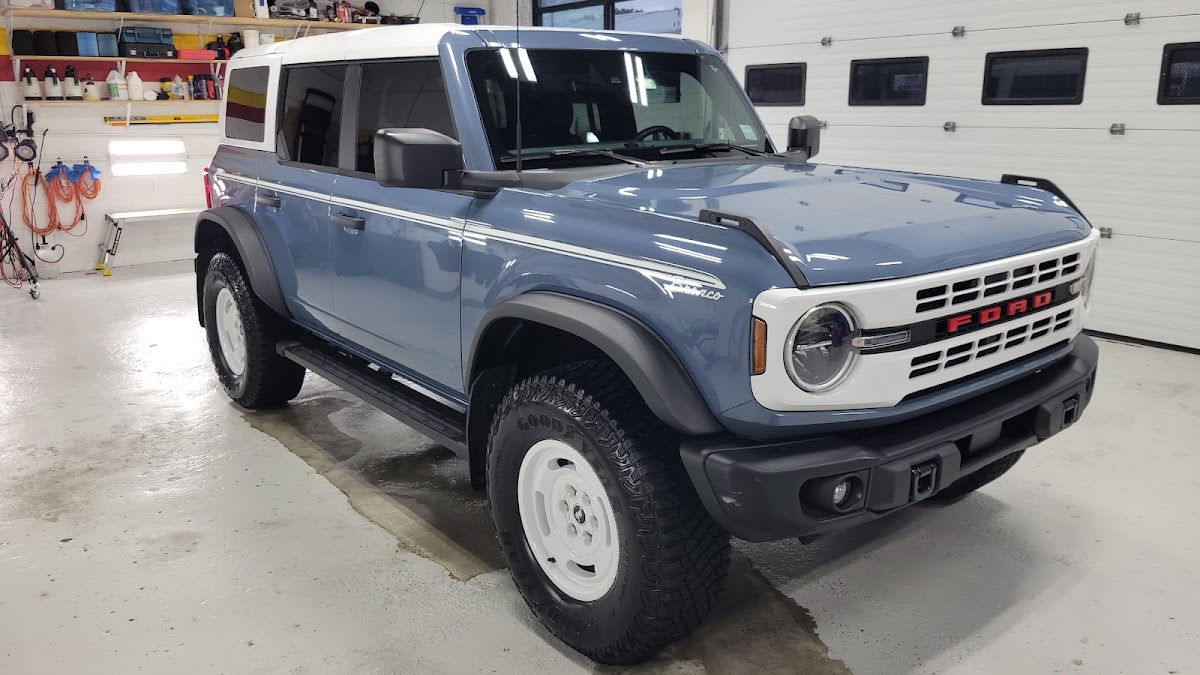
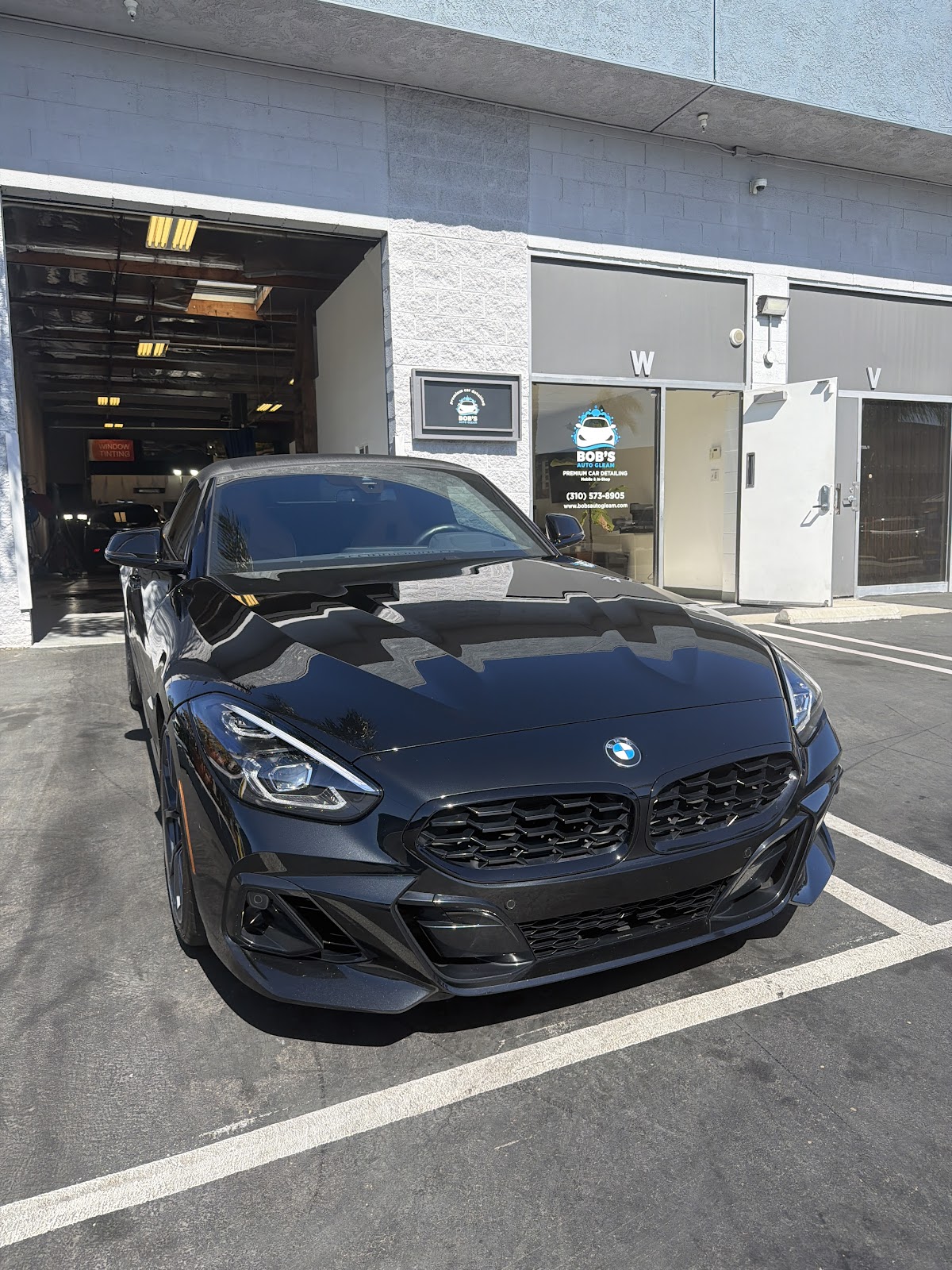
Bob's Auto Gleam Car Detailing – Ceramic Coating, PPF, Paint Protection Film, Window Tint & Paint Correction
Del Rey, Los Angeles, CA
exotic & classic paint protection in Los Angeles
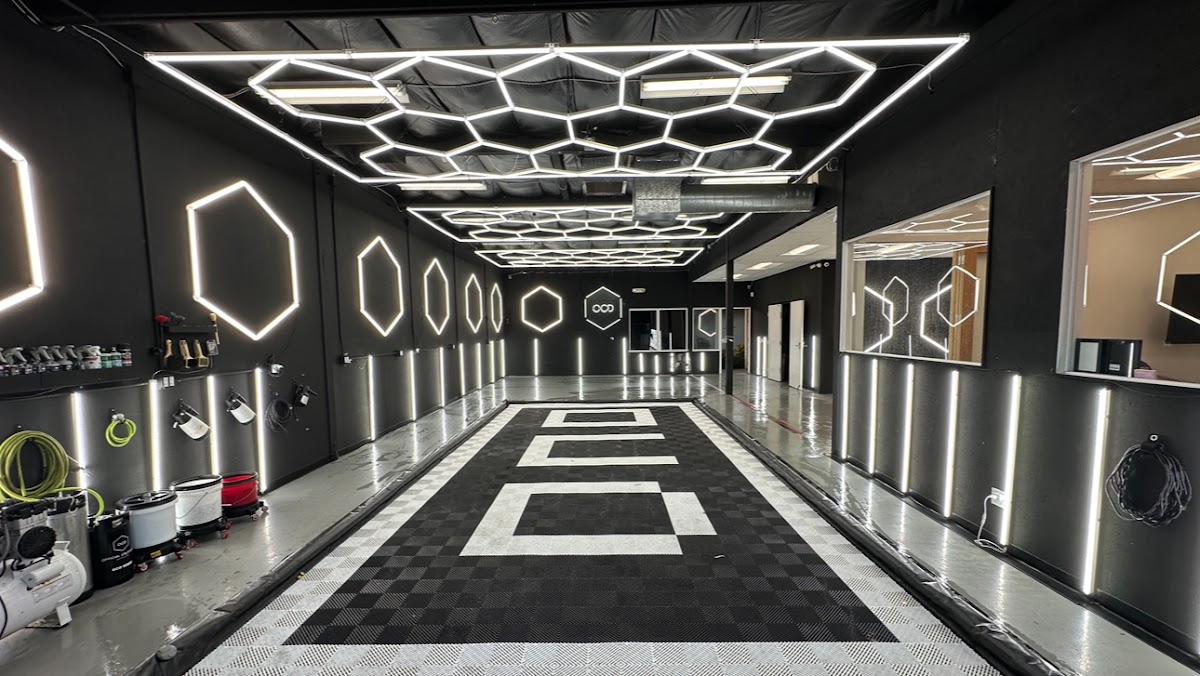
Official California Detailing
Torrey Preserve, San Diego, CA
exotic & classic paint protection in San Diego
Exotic Car PPF & Ceramic Coating: common questions
Is PPF or ceramic coating better for an exotic car?
They do different jobs. PPF physically stops rock chips and scratches; ceramic coating makes paint easier to clean and more resistant to chemical etching. Many exotic owners use both, with film on impact areas or the whole car and a coating on top.
Does it matter if my PPF installer is authorized?
Usually, yes. Film makers such as XPEL, STEK, and SunTek generally tie their warranties to installation by authorized shops, and certification means the installer has trained on that film. Judge the shop on its finished work anyway.
How long does paint protection film last?
Many premium films carry manufacturer warranties of around ten years against yellowing, cracking, and peeling when professionally installed, though terms vary by film. Real-world life depends on climate, sun exposure, and care.
Can PPF be removed without damaging the paint?
On healthy factory paint, a professional can generally remove quality film cleanly with heat and patience. Removal from resprayed or poorly prepared paint carries more risk, which is another reason to choose an experienced installer.
Should a new exotic be polished before PPF?
Usually a light correction is worthwhile, because new cars often arrive with transport marks or wash swirls. Anything under the film stays there, so preparation is part of a proper installation.