At a glance
An exotic or classic car restoration rebuilds a car to a chosen standard, which can be a sympathetic refresh that keeps original paint and patina or a frame-off or rotisserie rebuild aimed at concours judging. Pick the shop on its experience with your marque and era, its photo documentation, and a phased estimate that starts with a teardown assessment.
- Shops listed
- 234
- Cities
- 38
- City guides
- 19
- Brands covered
- 7
- Marque experience counts for more than general reputation, so ask to see finished cars of your model.
- A frame-off or rotisserie restoration is the most thorough route and also the most expensive one.
- On a sound, original car, preservation often protects more value than a full restoration.
- If you want Ferrari Classiche or Porsche Classic certification, say so before any work begins.
- Expect a few months for a mechanical and cosmetic refresh, and a year or more for concours work.
How much does an exotic car restoration cost?
Restorations are billed mostly by the hour, and specialist shops commonly charge somewhere around $100 to $175 an hour. A full restoration can run well past a thousand hours, which is why the teardown assessment matters so much: it's the first point at which anyone can price the job honestly.
How much does a sympathetic restoration or refresh cost?
Roughly $25,000 to $100,000. A refresh fixes what's failing (mechanicals, seals, wiring, worn interior pieces) and keeps original paint and trim wherever it can. Where a car lands in that range depends on how much the teardown turns up and how hard the parts are to find.
How much does a frame-off or rotisserie restoration cost?
Usually $150,000 to $500,000, and more for significant cars. Every panel and component comes off, gets repaired or replaced, and is refinished to a concours standard. Rare Ferraris and other blue-chip cars, where correct parts are scarce and judges check everything, can go well beyond that.
How much does a quality respray cost on an exotic or classic car?
About $15,000 to $40,000. That buys a strip to bare metal, rust and panel repair, and a correct-color finish with the glass and trim removed. A quick respray with the trim left on costs less, but buyers and judges spot it right away.
How much does an engine rebuild cost?
Roughly $20,000 to $45,000 for an air-cooled Porsche flat-six, and $50,000 to $120,000 for a Ferrari V12. Machining, parts availability and how far the engine came apart all move the number. Ask whether the quote includes removal and refitting, and what happens to the price if the cases or heads turn out to be damaged.
Typical US prices at independent specialists, before tax. Your quote depends on the car, its condition and the shop. Updated October 2026.
How to choose the right exotic car restoration expert
Start with marque experience, not general reputation. A shop that has restored a dozen Ferraris of your era already knows where the corrosion hides, which trim pieces are unobtainable, and what the factory finish actually looked like. A great general restorer learns those things on your car, and you pay for the lessons. Ask to see finished examples of your model and, ideally, cars currently in progress.
Then look at process. Serious restoration shops photograph the car on arrival and at every stage of disassembly, bag and tag every part, and give you access to that record. That documentation is part of what you're paying for, because it proves the work to future buyers and judges. If a shop can't show you that habit on another customer's car, it won't have one for yours.
Money and time need an honest conversation too. Restorations run long, and the realistic budget is set by what the teardown reveals. A good shop will give you a phased estimate, explain where the uncertainty is, and bill against clear milestones rather than a single open-ended number.
Frame-off, rotisserie, or sympathetic: which restoration does your car need?
A frame-off (or body-off) restoration separates the body from the chassis so every component can be stripped, repaired, refinished, and rebuilt. On a body-on-frame car it's the most complete restoration possible. A rotisserie restoration is the unibody equivalent: the shell is mounted on a rotating fixture so the underside can be stripped to bare metal and repaired as thoroughly as the top. Either one is the route to show-level results, and the most expensive way to restore a car.
A sympathetic or preservation restoration goes the other way. It repairs what is failing, keeps original paint, interior, and patina wherever possible, and treats originality as the asset. For a well-kept, low-owner car this is often the more valuable choice, because a car can only be original once. Many collectors now prize an honest survivor over a car restored past factory standards.
The right answer depends on the car's condition, its history, and what you plan to do with it. A specialist should help you decide before the first bolt comes out, not after.
Ferrari Classiche, Porsche Classic, and factory certification
Several manufacturers run heritage programs that certify older cars. Ferrari Classiche inspects cars 20 years and older and issues a certificate of authenticity when the car matches factory records, and Porsche, through Porsche Classic, supplies parts and factory records for older cars and can issue its own certificate of authenticity. On a high-value car, that paperwork can carry real weight at sale and on the show field.
If certification matters to you, say so before work begins. It shapes decisions about which parts are replaced, which are repaired, and how the work is recorded. A restoration shop with experience preparing cars for factory inspection will know which non-original components need to be corrected and which documentation the inspectors expect to see.
Concours preparation versus driver-quality restoration
Concours preparation is its own discipline. Judges score originality and correctness down to hose clamps, fastener finishes, and markings, so a concours restoration is built to a factory reference rather than to a general idea of perfect. That precision is slow and costly, and it's only worth paying for if you intend to show the car.
A driver-quality restoration aims for a car that is mechanically sound, visually excellent, and meant to be used. The finish standards are still high, but the shop can make sensible choices about modern consumables, reliability upgrades, and parts availability. Decide which result you want up front; the gap between the two can be a large share of the total budget.
What a restoration really costs
Restoration costs vary too much for honest averages. A sympathetic mechanical and cosmetic refresh on a common classic can be a fraction of a full rotisserie restoration on a rare exotic, which can run well into six figures. Labor dominates the bill, so the real drivers are the car's starting condition, parts availability, and the finish standard you choose.
The protection is a staged process: a thorough assessment, a written scope, and a teardown phase before you commit to the full job. Plenty of restorations that blow their budgets skipped that step. Whatever the final number, a restoration fully documented by a recognized marque specialist usually holds its value better than a cheaper one with gaps in the file.
What to look for in a shop
- Finished and in-progress examples of your specific model and era
- Photo documentation at every stage, shared with you as the work proceeds
- Experience with factory certification (Ferrari Classiche, Porsche Classic) if you want it
- A phased estimate with a teardown assessment before the full commitment
Exotic & Classic Car Restoration specialists by city
234 restoration specialists across 38 cities. Pick a city for the full local list.
Top-rated across the directory
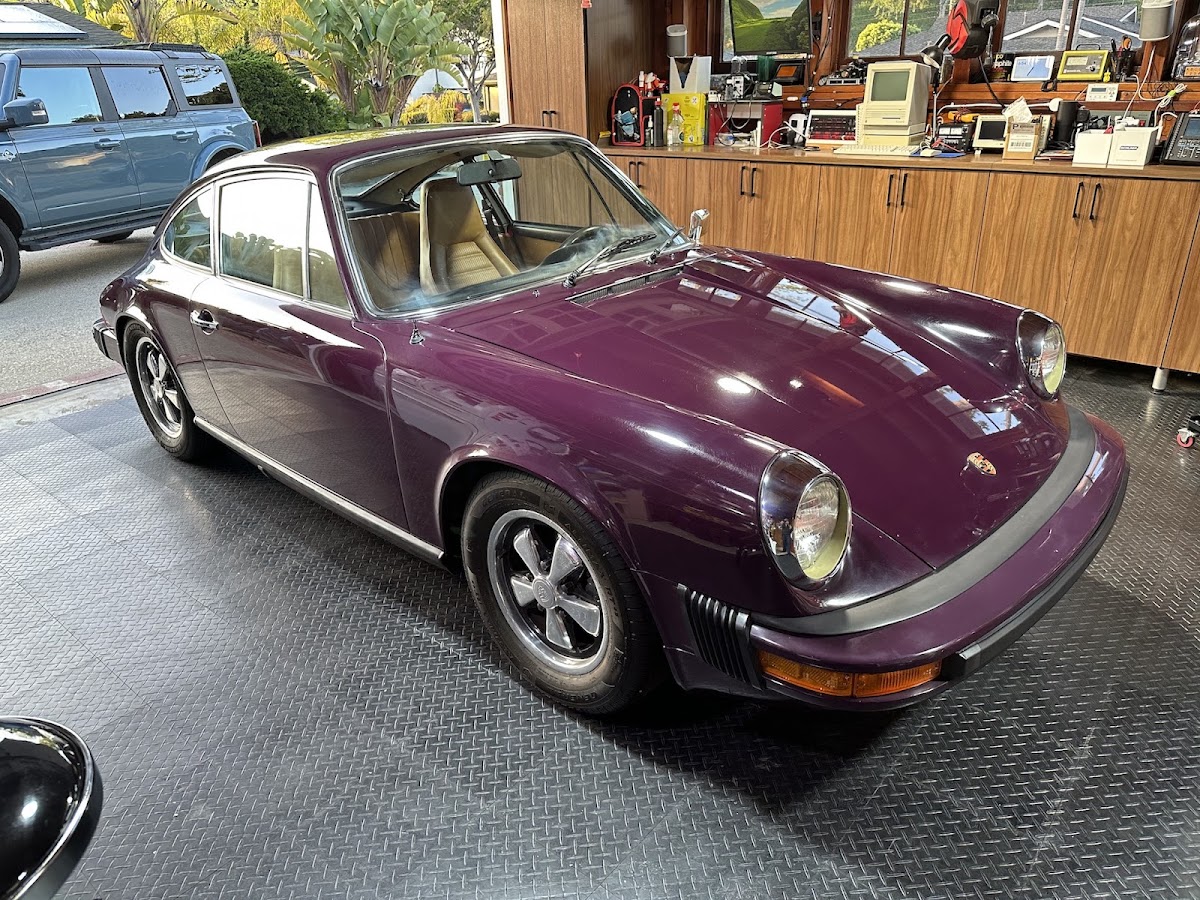
Schneider Autohaus - Bosch
Oak Park, Santa Barbara, CA
exotic & classic service in Santa Barbara
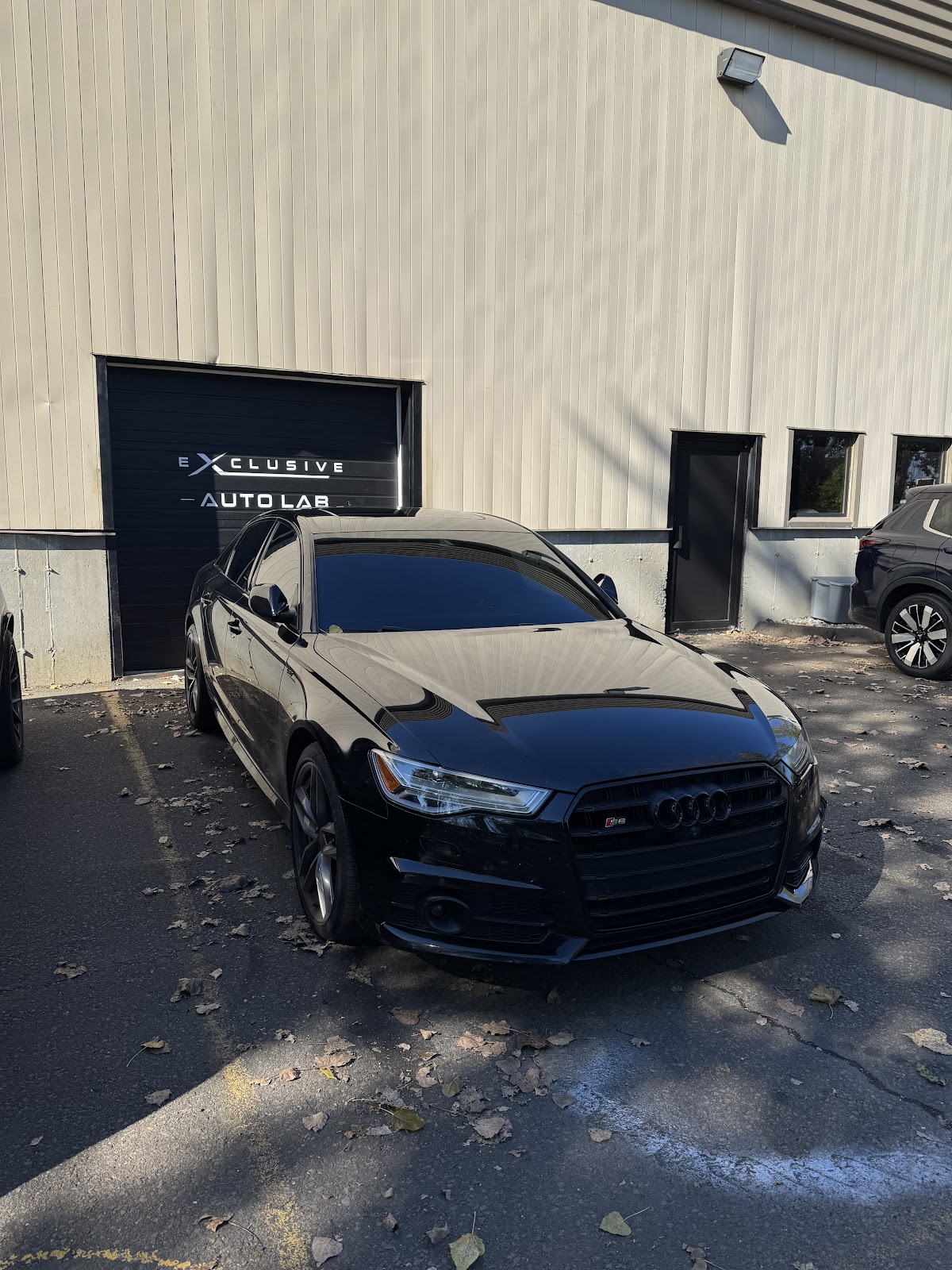
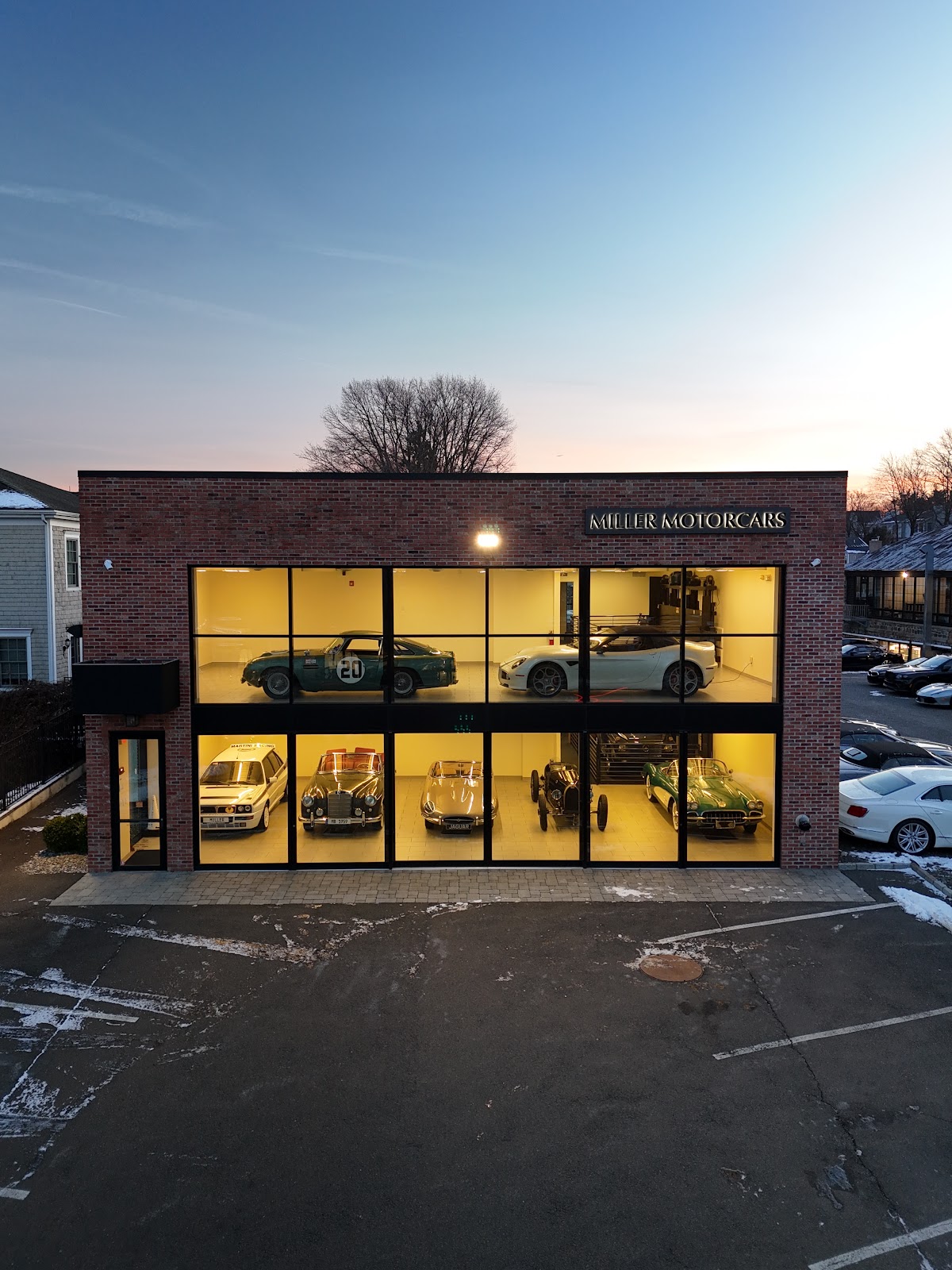
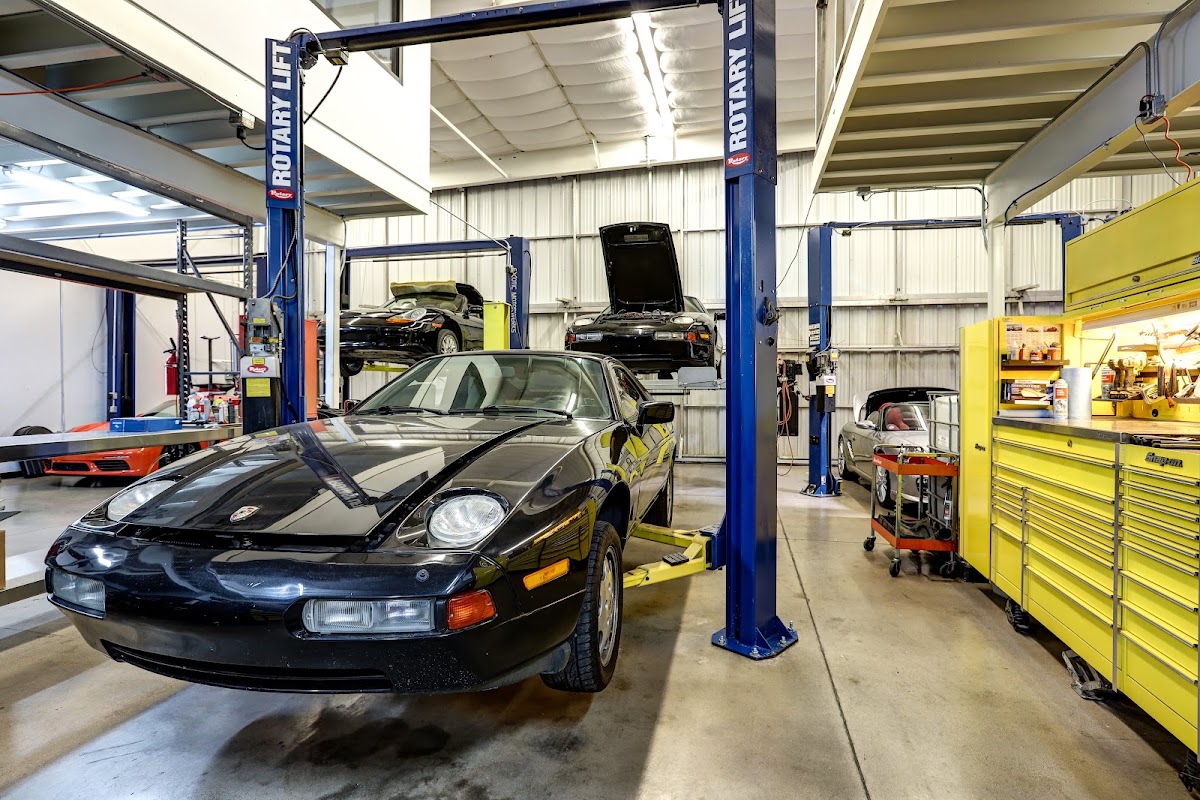
Exotic Motorwerks
Thunderbird Industrial Airpark, Scottsdale, AZ · since 2002
exotic & classic service in Scottsdale
Further Performance LLC
Calhoun Isles, Minneapolis, MN
exotic & classic service in Minneapolis
Exotic & Classic Car Restoration: common questions
How do I choose an exotic car restoration specialist?
Choose on marque experience first: ask for finished examples of your model and see cars in progress. Then confirm the shop documents every stage with photos and gives you a phased estimate rather than one open-ended number.
What is the difference between a frame-off and a rotisserie restoration?
A frame-off restoration lifts the body from a separate chassis so both can be fully restored. A rotisserie restoration mounts a unibody shell on a rotating fixture so the underside can be stripped and repaired as thoroughly as the top. Both aim for show-level results.
Does a Ferrari restoration shop need factory approval?
No, but if you want Ferrari Classiche certification, use a shop experienced in preparing cars for it. The program checks the car against factory records, so the restoration has to be planned and documented with that inspection in mind.
Should I restore my car or preserve it?
If the car is original and sound, preservation often protects more value, because originality can't be recreated. Full restoration makes sense when the car is deteriorated, previously badly restored, or headed for concours judging.
How long does an exotic car restoration take?
A mechanical and cosmetic refresh can take a few months; a full concours restoration commonly takes a year or more. Parts sourcing and the condition revealed at teardown drive the timeline more than shop speed.
What does concours preparation involve?
Concours preparation restores and details a car to its exact factory specification, down to fastener finishes, markings, and correct materials, because judges score originality. It's slower and costlier than a driver-quality restoration and only pays off if you plan to show the car.