The 720S is the McLaren most owners drive hard, and its hydraulic Proactive Chassis Control is central to how it feels. Keeping it right means a specialist who can service that system and keep the software current. Neglect the electronics and you chase ghosts; maintain them and the car is remarkably capable.
What the 720S is and where it sits in the McLaren range
The 720S launched in 2017 as McLaren's second-generation Super Series, succeeding the 650S. It's built around the Monocage II, a one-piece carbon fiber structure that extends upward to integrate the windscreen surround, adding stiffness without the weight penalty of conventional A-pillar construction. The twin-turbocharged V8 produces significantly more output than the car it replaced, and the second-generation Proactive Chassis Control II handles suspension duties.
Within McLaren's lineup, the 720S sits above the Sports Series cars and below the Ultimate Series flagships. It's the model that defines the Super Series character: lightweight construction, software-intensive systems, and genuine capability on both road and circuit. It's also the model that most directly illustrates what separates a proper McLaren specialist from a shop that occasionally encounters one.
Monocage II: structural considerations and inspections
The Monocage II is a more complex carbon structure than the MonoCell used in the 12C and 650S. The integrated roof hoop changes the repair and inspection landscape compared to earlier cars, and a specialist needs to know the specific tub they're working on. If a 720S has any accident history, a formal Monocage II assessment by a shop with direct experience on this generation is not a step to skip.
Panel fitment is also a diagnostic tool on the 720S. The body panels are light and mounted to tight tolerances. Poor panel gaps, lines that don't follow the factory pattern, or misalignment around the dihedral doors can all indicate previous bodywork that wasn't done by someone with the right knowledge. A thorough visual inspection of panel fit is part of any competent 720S assessment.
Proactive Chassis Control II and hydraulic system service
The second-generation PCC on the 720S builds on the 650S system with revised tuning and additional modes. The service considerations are the same: hydraulic fluid condition, accumulator charge, and actuator seal integrity need periodic attention. The 720S runs substantially more power through the system than the 650S, and fluid degradation timelines may be shorter under aggressive driving.
A shop servicing a 720S needs familiarity with the specific PCC II parameters for this car. Calibration after any hydraulic work is critical. A shop that doesn't perform calibration post-service is leaving the system operating on assumptions rather than verified settings. If a candidate shop is vague about the calibration step, that's worth treating as a significant red flag.
Twin-turbo V8: what regular service prevents
The twin-turbocharged V8 in the 720S is packaged tightly in the rear of a lightweight structure. Oil changes are the most important routine service. The turbos run at extreme heat, and oil quality combined with change intervals directly affects their longevity. Any shop servicing a 720S engine needs to use the correct oil specification. Improvising on oil grade in a high-boost application is a documented path to premature bearing and turbo wear.
Cooling system health is the other item to track consistently. Radiators, coolant hoses, and thermostatic components in the 720S are subject to severe heat cycles, and a cooling system that has been neglected will eventually cause problems under hard use. Catching hose condition and coolant quality during annual service costs little. Addressing the consequences of a cooling failure costs considerably more.
Buying a 720S: what the inspection needs to find
The 720S has matured from a new-car purchase to a used-car market, and the range of condition across available examples is wide. It now includes high-mileage, heavily tracked cars alongside low-use road examples, and a specialist inspection can read the difference quickly from physical evidence. The PCC service history is the first question: has the hydraulic fluid been changed and the system formally inspected?
Track use history shows in brake rotor thickness, tire wear patterns, potential undertray abrasion, and the condition of the front splitter and rear diffuser. Some track use is acceptable and expected. The problem is deferred maintenance after track use: brakes that need attention, tires that are past the wear limit, and PCC fluid that's overdue for a change. Price any 720S with unknown track history with that correction budget factored in.
What to check on a McLaren 720S
- Proactive Chassis Control II service
- Up-to-date firmware
Common questions
What is Proactive Chassis Control on the 720S?
It's McLaren's hydraulically linked suspension that replaces conventional anti-roll bars. It needs a specialist familiar with the system for correct service.
What are the most expensive service items on a 720S?
PCC system repairs when components fail are the largest unexpected cost category. Carbon-ceramic brake replacement, if equipped, is the largest predictable high-cost service event. DCT fluid service and oil changes to the correct specification are the most important routine items for preventing the bigger costs downstream.
How can I tell if a 720S has been used on track?
Brake rotor wear, tire wear patterns, potential undertray abrasion, and the condition of the front splitter and rear diffuser all provide evidence. A specialist inspection identifies this quickly. Some track use is fine; what matters is whether the car received proper service afterward, not whether it went on a circuit.
Can any McLaren specialist service a 720S?
Most experienced McLaren independents can, provided they have PCC diagnostic access and are familiar with the Monocage II structure. The transition from 12C and 650S to 720S involves some tooling differences. Verify that the shop has done 720S work specifically rather than inferring capability from earlier Super Series experience.
Is the 720S practical for regular driving?
It can be, but it requires consistent service. Cars that sit unused develop PCC seal issues and brake problems faster than cars that are exercised regularly. Driving it consistently and following the service schedule is better for the car's condition than storing it and catching up on maintenance annually.
Find a McLaren specialist
McLaren 720S owners use McLaren specialists for service, PPI, and restoration.
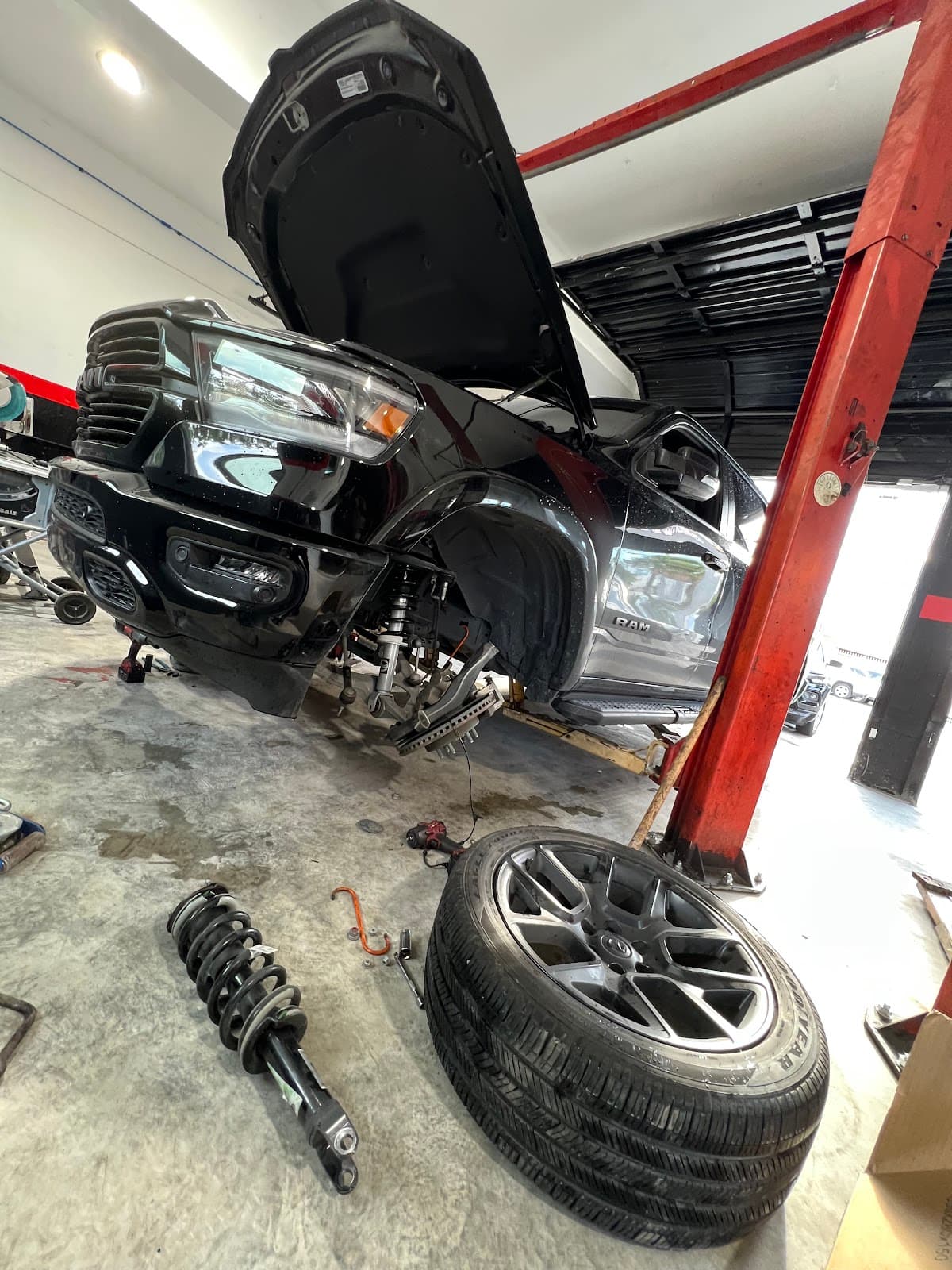
Motoro Cars
Allapattah
exotic & classic service in Miami
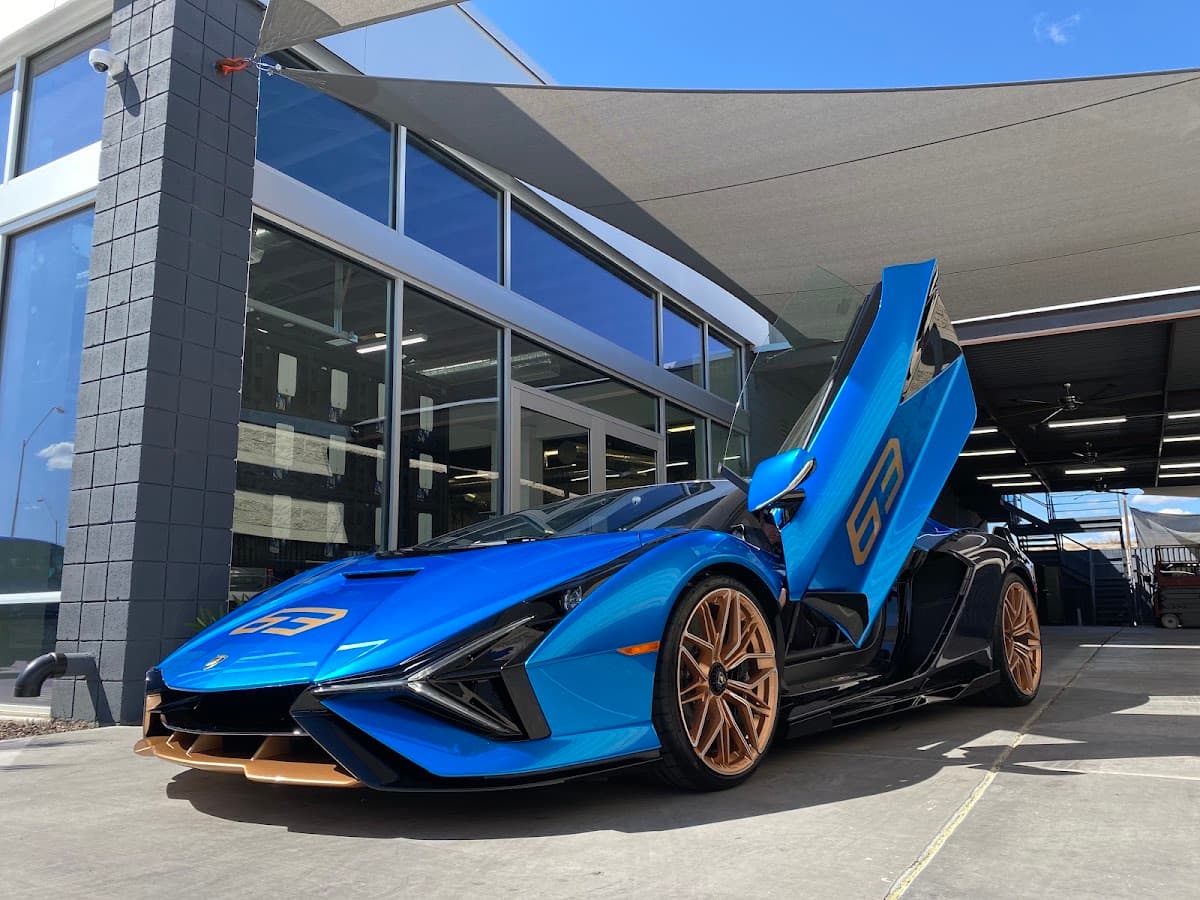
XPEL Scottsdale
North Scottsdale
exotic & classic paint protection in Scottsdale