The AMG GT is a proper performance car, and its hand-assembled engine wants a shop fluent in modern AMG electronics and cooling. Track-driven cars especially reward a specialist who knows the transaxle and brake systems rather than a general Mercedes bay.
What the AMG GT actually is
The AMG GT launched in 2015 as Mercedes-AMG's dedicated sports car, designed from the ground up rather than derived from a standard Mercedes platform. It uses a transaxle layout: the engine sits behind the front axle line, and the gearbox mounts at the rear, which gives the car a weight distribution closer to 50/50 than a conventional front-engine, front-gearbox arrangement. This is a fundamentally different architecture from the rest of the Mercedes range.
The 4.0-liter biturbo V8 that powers it is AMG's own engine, assembled under the company's 'one man, one engine' tradition. Each unit is built by a single technician, who signs it. This matters for ownership because it's an engine with a specific pedigree, and understanding its service requirements is different from approaching a production-line V8. The architecture and the powertrain together define what kind of specialist this car needs.
The transaxle layout and its service implications
The rear-mounted gearbox changes how routine drivetrain service is performed. A shop that knows the AMG GT needs to understand how the transaxle is serviced, how the carbon fiber driveshaft connecting engine to transmission is inspected, and how the rear-biased weight distribution affects chassis wear patterns. These aren't obscure procedures, but they're unusual enough that a shop assuming the layout matches a conventional sports car will make mistakes.
The suspension geometry on the AMG GT is also specific to the architecture. Alignment specifications, damper tuning, and wheel bearing service on this car differ from standard Mercedes work. Ask any specialist you consider whether they've worked on a C190 or C192 specifically; the answer will tell you a lot about how prepared they actually are.
Track use, wear items, and service history
A meaningful share of AMG GT owners use their cars on track days, which compresses wear timelines significantly. Brake fluid absorbs moisture through heat cycling; a car that has seen regular track use should have its fluid serviced more frequently than the standard interval, and any shop should flag this during inspection. Tire wear on track use can be severe; check the wear pattern across the full width of the tire for any signs of alignment issues.
If you're buying a used AMG GT, ask directly about track use. It isn't disqualifying, but it changes what a thorough inspection covers. Ceramic composite brake options are available and extend brake component life substantially, though at a cost premium. A car that has had ceramics from new and consistent fluid service is in a different position than one that hasn't, regardless of mileage.
Generations and variants: knowing what you have
The original AMG GT (C190) ran from 2015 to 2023 across several variants: the baseline GT, the GT S, the GT C with a wider body, and the GT R with full track focus. Power levels and chassis tuning differ meaningfully across these. The GT R, for example, has rear-wheel steering and a more aggressive suspension setup that requires specific alignment knowledge. The current generation (C192) arrived in 2024 with a 2+2 body and continued the biturbo V8.
The earlier C190 cars are now entering the used exotic market, and the spread in condition reflects how differently owners used them. Mileage matters less than use history and maintenance records. The AMG GT 4-Door (X290) shares some powertrain components but is architecturally completely different and shouldn't be treated as a variation on the sports car platform.
What to verify with any AMG GT specialist
Software calibration is a genuine issue on this car. AMG issues updates that affect performance characteristics, and a car running outdated software may not behave as it should. A competent specialist will have current AMG diagnostic software and will check the software revision as part of any inspection. This isn't optional on a car where the electronics govern so much of the experience.
Ask about transaxle fluid service, turbo system condition, and the state of the intercoolers. On higher-mileage examples, the turbos benefit from inspection for any signs of wear or oil weeping. These aren't common failures on well-maintained cars, but on a used car with unknown history they're worth verifying explicitly.
What to check on a Mercedes-AMG GT
- AMG V8 and transaxle experience
- Cooling and brake knowledge for tracked cars
Common questions
Is the AMG GT engine hand-built?
Yes. AMG's V8s are built under the 'one man, one engine' principle, which is part of why they want AMG-specific service.
How often does the AMG GT need service?
Mercedes Service A and B intervals apply, typically alternating annually or by mileage. Track use compresses those intervals, particularly for brake fluid, which should be refreshed after any significant heat cycling. The biturbo V8 benefits from oil quality; don't stretch oil change intervals on this engine.
What are the most common issues on the AMG GT?
Brake wear is the most common maintenance item, particularly on cars that have seen track use. Software-related issues do appear and are typically resolved with updates rather than hardware. On higher-mileage examples, turbo system inspection is worthwhile. Overall, well-maintained examples are reliable for a car of this performance level.
Is the AMG GT manageable as a daily driver?
It can be. The GT and GT S variants are more accommodating than the GT R. The transaxle layout means no traditional rear seat, and the wide body requires attention in tight parking. The biturbo V8 runs fine in urban use, though short trips without heat cycles aren't ideal for any performance engine.
What does a pre-purchase inspection cover on an AMG GT?
A thorough inspection should include diagnostic software readout, transaxle and differential fluid condition, brake system inspection, turbo health check, full electronics function check, and a careful look at the body for any signs of accident repair. Ask specifically about track use history and verify the service record continuity.
Find a Mercedes-Benz & AMG specialist
Mercedes-AMG GT owners use Mercedes-Benz & AMG specialists for service, PPI, and restoration.
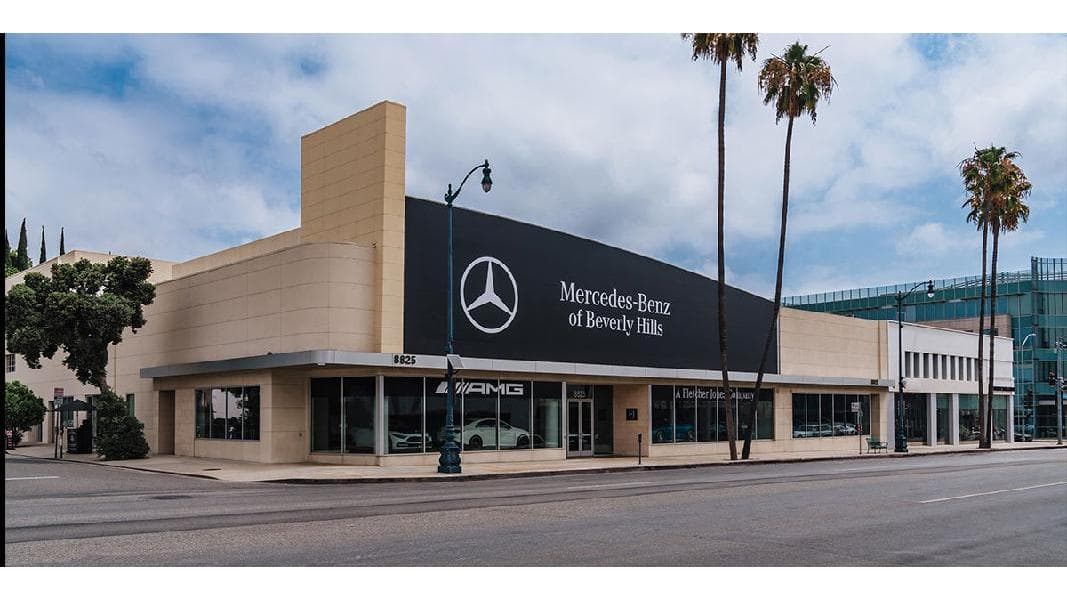
Mercedes-Benz of Beverly Hills
Beverly Hills
Mercedes service in Beverly Hills
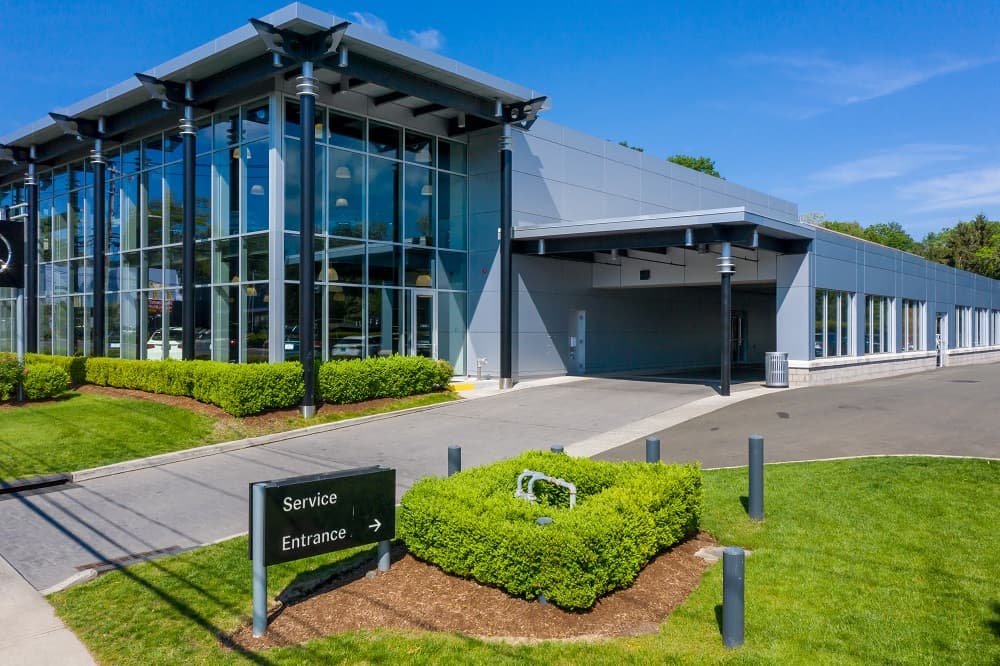
Mercedes-Benz of Greenwich Service and Parts
Greenwich
Mercedes service in Greenwich

Fletcher Jones Motorcars Service Center
Newport Beach
Mercedes service in Newport Beach