The Cayenne is the model that funds the sports cars, and it's the one most likely to see a general shop. It shouldn't. Air suspension, coolant-pipe issues on early V8s, and Porsche-specific electronics all reward a specialist. The upside is that a Cayenne is cheaper to keep right than most exotic SUVs when the right shop looks after it.
Three generations, one character
The Cayenne has been through three full generations since its launch. The first generation (955, 2002 to 2006) was a joint development with Volkswagen and carries VW and Audi DNA that Porsche purists noticed but the buying public embraced. The second generation (957, 2007 to 2010) refined the formula, and the third generation (92A, 2010 to 2018) introduced a lighter platform and turbocharged six-cylinder engines alongside the V8. The current 9YA generation (2019 onward) is built on Volkswagen Group's MLB Evo architecture and is the most electronically complex by a considerable margin.
Each generation has its own specialist knowledge requirements. The early cars' VW-shared components mean some Audi and VW specialists can address certain systems, but Porsche-specific suspension geometry, tuning, and electronics still benefit from a shop that knows the platform. The current generation is essentially a sophisticated luxury SUV with sports car electronics throughout.
The coolant crossover pipe: the issue every Cayenne V8 owner should know
On first and second-generation Cayennes with the 4.5-liter or 4.8-liter V8 engine, the coolant crossover pipe that runs beneath the intake manifold degrades over time. It's a plastic component surrounded by hot engine parts, and when it fails, coolant loss can be rapid. The repair requires removing the intake manifold and is labor-intensive, but it's far better done proactively than after an overheat event that risks far more expensive damage.
Most Porsche specialists recommend replacing the pipe prophylactically on V8 Cayennes that haven't had it done, particularly past the 80,000-mile mark. A competent shop can usually combine the pipe replacement with a spark plug service or other intake-removal work to reduce the total labor charge. If you're buying a V8 Cayenne, always ask whether the pipe has been replaced and ask for documentation.
What separates a real Cayenne specialist from a general shop
The Cayenne rewards specialist attention for the same reasons other Porsches do: proprietary diagnostics via PIWIS, specific failure modes that recur across chassis, and a complexity level that punishes guesswork. A shop that primarily services mainstream SUVs and picks up Cayennes occasionally will be slower to diagnose known issues and may miss platform-specific patterns entirely.
For air suspension-equipped Cayennes, the same compressor and air spring lifecycle concerns that apply to the Panamera apply here. Shops that service these regularly have seen the failure modes and know which components tend to go first. That pattern recognition, built up over years of platform-specific work, is what you're paying for when you choose a specialist over a generalist.
Service intervals and what gets missed
The Cayenne V8's spark plugs sit behind the intake manifold, making replacement substantially more labor-intensive than on a V6 or typical SUV. Many owners defer this service because the cost is high, which leads to misfires and logged codes. If you're buying a used V8 Cayenne, ask specifically when the plugs were last changed and whether the coolant crossover pipe has been replaced. Both are easier to ask about before purchase than to sort out after.
Transfer case and rear differential fluid is another commonly missed service on Cayennes. The factory doesn't list an aggressive interval for these components, but shops that see these cars regularly recommend fresh fluid every 40,000 to 60,000 miles. Neglected transfer case fluid is a common contributor to the clunking owners notice on slow-speed turns, which is often misdiagnosed until the fluids are checked.
Buying a Cayenne: what a pre-purchase inspection covers
A proper Cayenne PPI should cover the coolant crossover pipe on V8 cars, a full PIWIS scan for fault codes, inspection of air suspension components if equipped, and a check of transfer case and differential fluid condition. Turbo models need a thorough inspection of the turbocharger system and charge cooling circuits. Shortcuts on the PPI usually show up as expensive surprises later.
Service history is particularly important on the Cayenne because repair costs are high when things go wrong. A car with documented dealer or specialist service history tells you that coolant pipe replacement, spark plugs, and fluid services happened on schedule. Without that documentation, you're pricing uncertainty into the purchase. The gap between a documented car and an undocumented one should be reflected in the price.
Independent specialist versus the dealer
Porsche dealers are the sensible choice for warranty claims, software updates, and situations where you need documentation of factory-trained service. Outside of warranty, a good independent Porsche specialist handles all Cayenne service correctly and typically at a meaningfully lower labor rate.
The current 9YA-generation Cayenne has enough integrated technology that some software updates require factory authorization. Even then, a specialist shop with PIWIS can handle the vast majority of maintenance and repair, passing specific calibration tasks to the dealer only when necessary. For older generations, the case for a good independent shop is straightforward.
What to check on a Porsche Cayenne
- Coolant-pipe knowledge on 2003-2010 V8s
- Air-suspension and PCM electronics experience
Common questions
What's the common early-Cayenne V8 problem?
Plastic coolant pipes in the V8 valley can fail; many specialists upgrade them to aluminum as a known fix.
What is the coolant crossover pipe issue on Cayenne V8s?
The plastic coolant crossover pipe beneath the intake manifold on 4.5-liter and 4.8-liter V8 Cayennes deteriorates with heat cycling and age. When it fails, coolant loss can be rapid. Proactive replacement is standard practice on cars that haven't had it done, and the cost is far lower than the repair bill for an engine damaged by overheating.
How much does the Cayenne V8 spark plug service cost?
Because the plugs sit behind the intake manifold, the labor cost is higher than on a typical SUV, often a full day at shop rates. Many specialists combine it with the coolant crossover pipe replacement when the manifold is already off, which reduces total cost significantly compared to doing each job separately.
Is the Cayenne reliable long-term?
It can be, with attentive maintenance. The V8 coolant pipe, air suspension components on equipped cars, and transfer case fluid are the areas most likely to create problems if deferred. A well-documented service history substantially reduces ownership risk.
Can a VW or Audi specialist service my first-generation Cayenne?
They can handle some systems competently, given the shared VW platform. For Porsche-specific electronics, suspension calibration, and powertrain diagnostics, a Porsche specialist with PIWIS access is the better choice. The shared platform helps with basic mechanical work; the Porsche-specific systems are a different matter.
Find a Porsche specialist
Porsche Cayenne owners use Porsche specialists for service, PPI, and restoration.
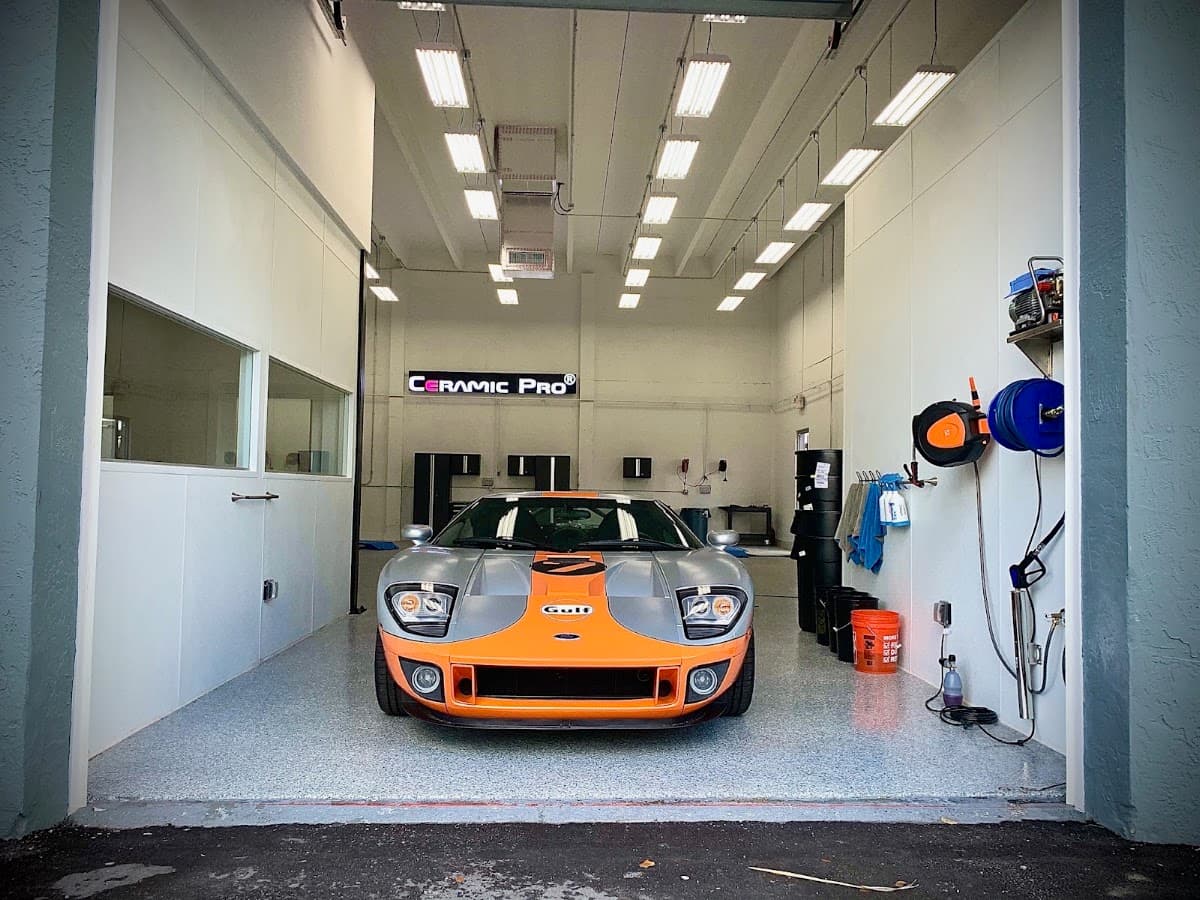
Detail Boutique
Miami
exotic & classic paint protection in Miami
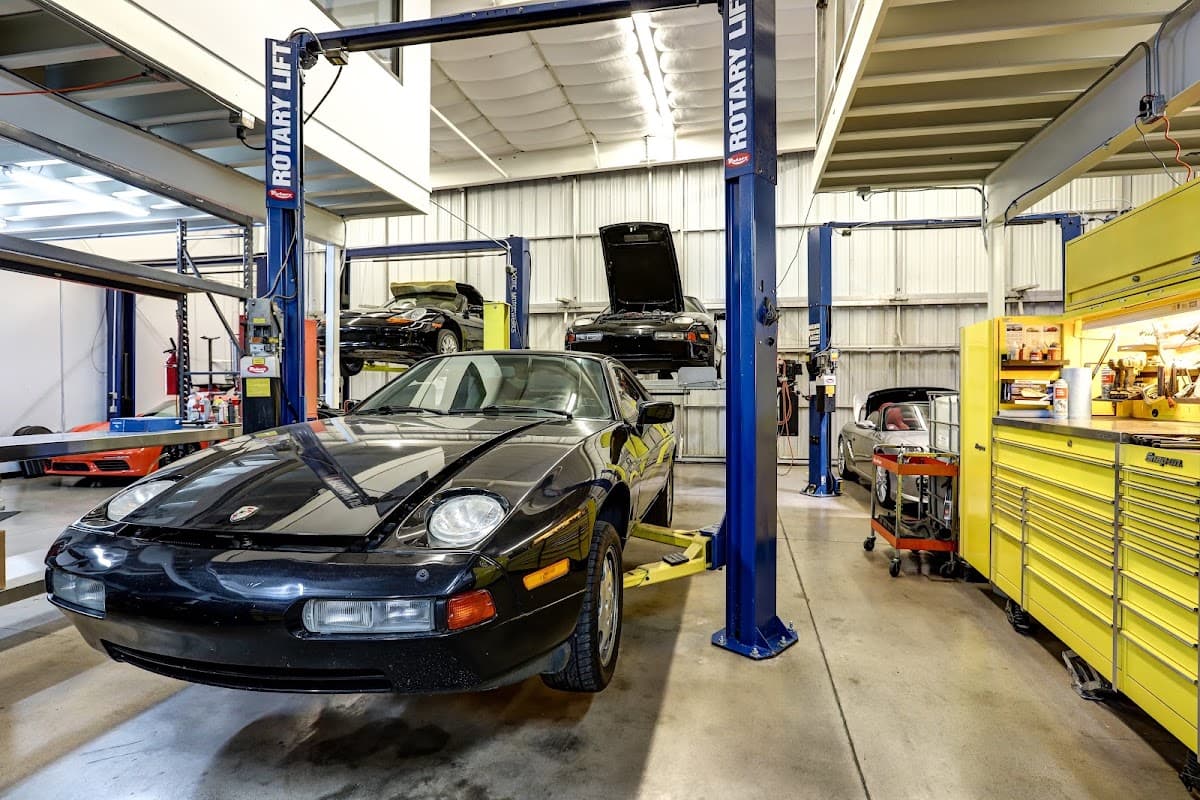
Exotic Motorwerks
Thunderbird Industrial Airpark
exotic & classic service in Scottsdale

Foreign Performance - BMW | Lamborghini | Porsche Performance and Repair
North Broadway
exotic & classic service in Palm Beach