The 488 and F8 brought turbocharging to Ferrari's V8 line, and their service is chain-driven rather than belt-driven, which changes the maintenance math versus a 458. They're reliable when maintained by someone fluent in the electronics and the turbo system. A specialist should read the car's stored data before quoting anything.
488 GTB and F8 Tributo: understanding the lineage
The 488 GTB replaced the naturally aspirated 458 Italia in 2015 and introduced turbocharged induction to Ferrari's mid-engine V8 line for the first time in decades. The F8 Tributo followed in 2019 as a development of the same platform, with more power, revised aerodynamics, and styling that incorporated elements from the 488 Pista. Both use a twin-turbocharged 3.9-liter V8.
The shift to turbocharging changed the character of these cars relative to the 458. Power delivery is broader across the rev range, throttle response has a slightly different texture, and the sound profile changed. These aren't criticisms; they're context for buyers moving from the 458 or evaluating one against an older model. The 488 and F8 are more powerful and faster, and the turbocharged engine adds specific service considerations.
Chain-driven, not belt: what this means for ownership
Unlike Ferrari's mid-engine V8s of previous generations, the 488's twin-turbo 3.9-liter engine uses a chain drive system. There is no cam belt to replace on a time interval. This eliminates the largest and most expensive scheduled service that defines ownership of 360, 430, and 458 Ferraris. The absence of a belt service lowers the total cost of ownership compared to those predecessors.
What remains is still Ferrari-level complexity: oil and filter changes, spark plugs, brake fluid, DCT gearbox fluid, and turbocharger system inspection at each service. The car should be scanned for fault codes routinely. The cost base is still higher than a comparable European sports car from another brand, but the elimination of engine-out belt services makes the 488 and F8 more approachable from a maintenance planning perspective.
What separates a real 488 and F8 specialist
The 488 and F8 use Ferrari's proprietary DEIS diagnostic system. A shop without access to this system cannot fully diagnose these cars. Many faults on modern Ferraris require software-level intervention, not just mechanical repair. The turbocharger system, the dual-clutch transmission, and the chassis electronics all benefit from specialist diagnostic depth that a general shop simply cannot offer.
Knowledge of the specific turbo system matters too. The 488's twin turbos are mounted within the engine vee, a packaging solution that places them in a hot environment. Specialist shops that service these cars regularly know what to look for on the turbo seals, wastegate actuators, and intercooler circuits. Seeing the same failure modes repeatedly builds a diagnostic pattern that saves time and avoids unnecessary parts replacement.
Common issues and what to watch for
The 488 is a relatively reliable modern Ferrari, but no car at this performance level is without fault. Carbon buildup on intake valves is possible given direct injection, though Ferrari's internal cleaning cycles help. The DCT dual-clutch transmission requires fluid changes at the specified intervals; early documentation called it lifetime fill, but the specialist consensus now favors periodic replacement every 30,000 to 40,000 miles.
Brake pad and rotor wear is significant given the car's performance capability and weight. Carbon ceramic brakes, standard or optional depending on specification, are more durable under hard use but more expensive to replace when they do wear out. Owners who track the car need to build brake maintenance into their annual planning rather than treating it as an as-needed item.
Buying a 488 GTB or F8 Tributo: what a pre-purchase inspection covers
The PPI should include a full DEIS diagnostic scan, a compression test, inspection of the turbocharger system for leaks or wear, and a thorough assessment of DCT condition. History documentation is important: verify that the car received its scheduled services at the correct intervals and that no modifications have been made that could affect reliability or insurance coverage.
The F8 Tributo is newer and typically carries less mileage on the used market, but it also carries a higher price. When comparing a well-maintained 488 against an F8 of uncertain history, the 488 may be the more sensible choice. Both cars share the same fundamental architecture; the differences are development refinements and power output, not a fundamental reliability gap.
Independent specialist versus the dealer
Ferrari's dealer network handles warranty work and software updates that require factory authorization. The dealer experience also gives owners documentation directly traceable to Ferrari, which supports resale value. For cars under warranty or approved programs, the authorized network is the right default.
Independent Ferrari specialists with DEIS access and a proven track record with 488 and F8 service are a fully viable alternative outside of warranty. Their labor rates are generally lower, and shops that focus on this generation will have genuine familiarity with the turbo V8's specific maintenance requirements. The key checks are diagnostic equipment access and references from other 488 or F8 owners specifically.
What to check on a Ferrari 488 GTB & F8
- Turbo-V8 diagnostic experience, not just older belt-driven cars
- A data readout before any major quote
Common questions
Does the 488 need cam-belt service like older Ferraris?
No. The 488's turbo V8 uses timing chains, so there's no belt interval, though it still follows Ferrari's scheduled major service.
Does the 488 GTB have a cam belt like older Ferraris?
No. The twin-turbo 3.9-liter V8 in the 488 and F8 Tributo uses a chain drive system. There is no belt service interval. This is a significant difference from the 360, 430, and 458, and it reduces the major scheduled maintenance cost considerably.
How often should DCT fluid be changed on the 488?
Ferrari's early documentation labeled it lifetime fill, but most specialists now recommend a change every 30,000 to 40,000 miles. Fresh fluid typically improves shift behavior and reduces the risk of clutch pack wear that shows up as hesitation or judder before it becomes a mechanical failure.
What's the real difference between the 488 GTB and the F8 Tributo?
The F8 Tributo is a development of the 488 platform with more power, revised aerodynamics, and updated styling. The core drivetrain and architecture are the same. Both are excellent cars. The choice usually comes down to budget and documented service history rather than any fundamental mechanical advantage.
Is a pre-purchase inspection necessary on a 488 or F8?
Absolutely, and it should be conducted by a specialist with DEIS diagnostic access and specific experience with this platform. The PPI cost is small relative to the risk of buying a car with undisclosed turbo wear, DCT issues, or unresolved fault codes that a seller has cleared.
Find a Ferrari specialist
Ferrari 488 GTB & F8 owners use Ferrari specialists for service, PPI, and restoration.
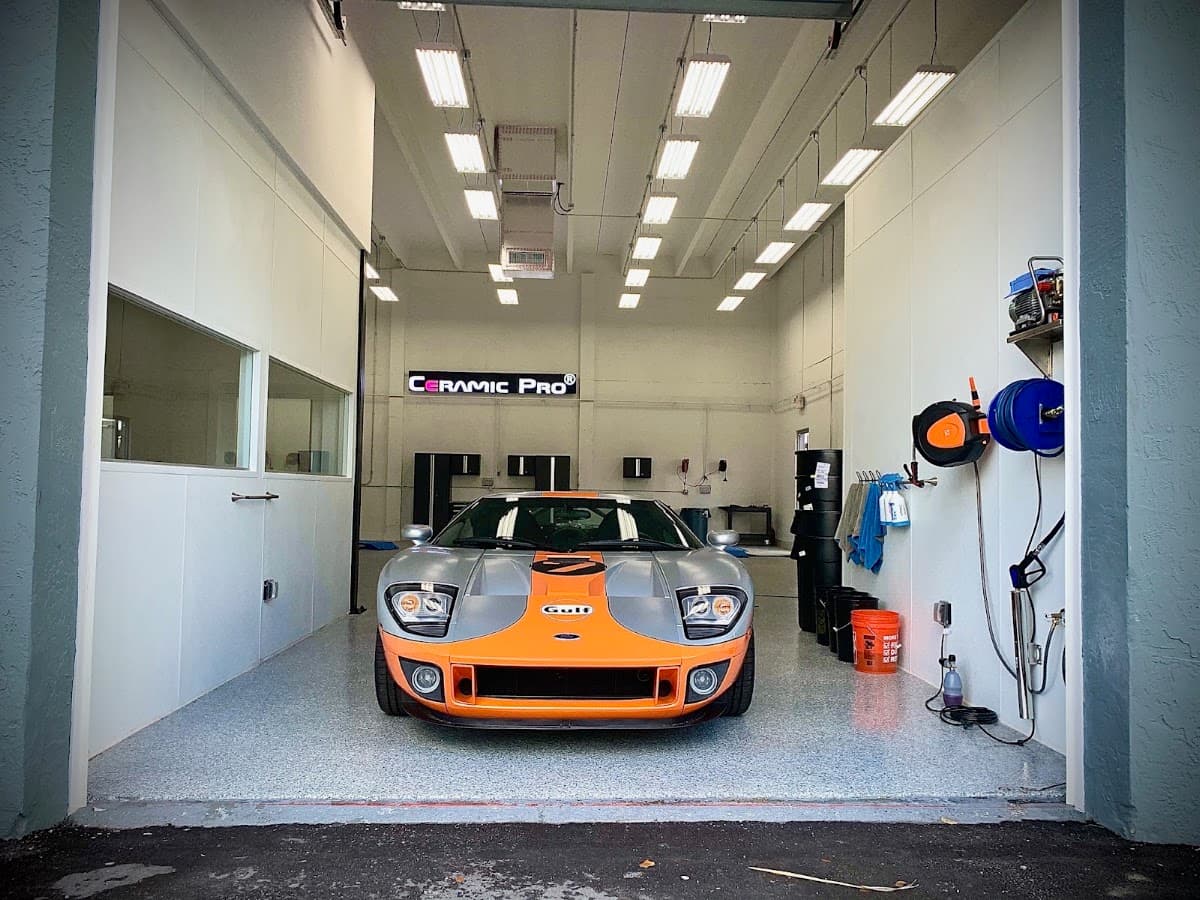
Detail Boutique
Miami
exotic & classic paint protection in Miami
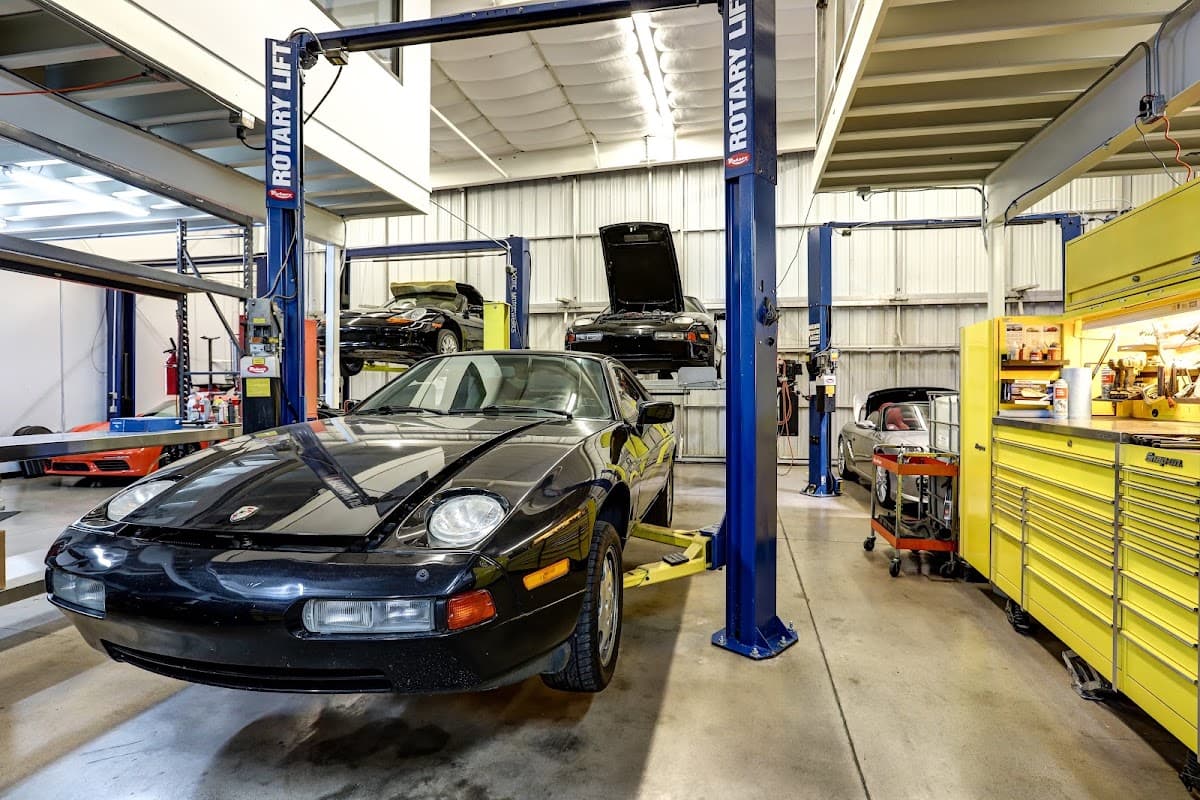
Exotic Motorwerks
Thunderbird Industrial Airpark
exotic & classic service in Scottsdale
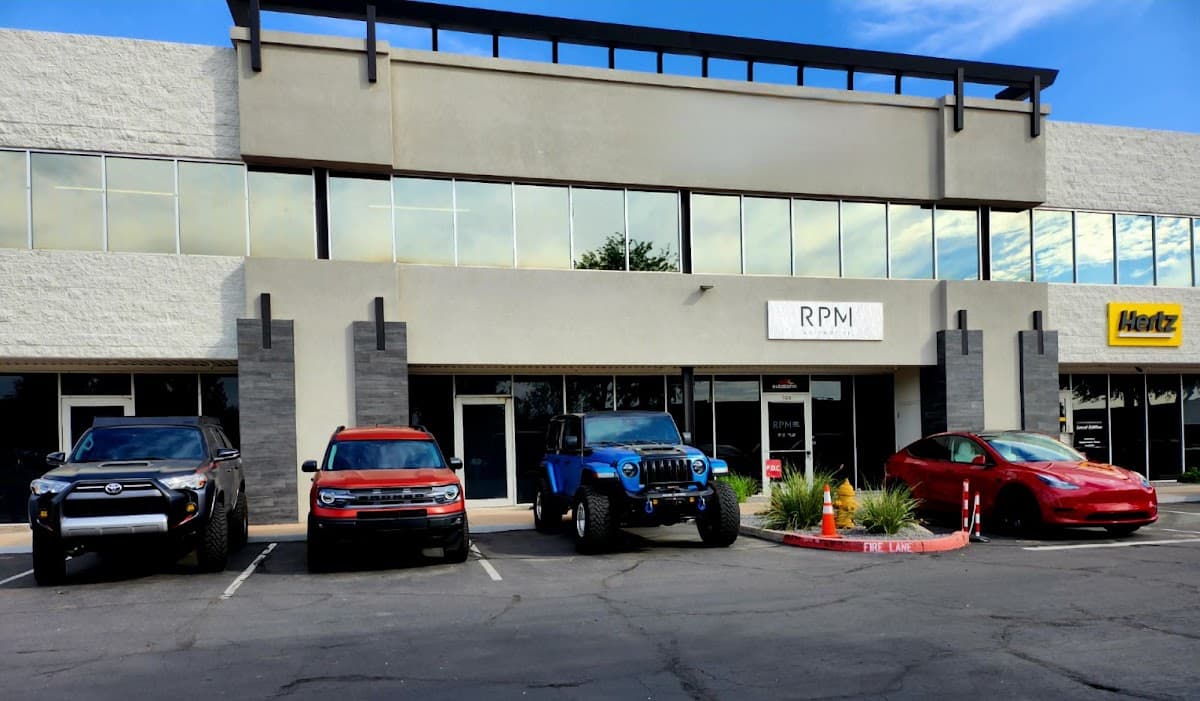
RPM Auto Styling
Scottspark Business Center
exotic & classic paint protection in Scottsdale