The 812 carries Ferrari's naturally aspirated V12 tradition, and that engine is the point. A specialist should know the V12's service needs and treat the car as the collectible it will become, keeping documentation tight for a powertrain that's increasingly rare.
The last naturally aspirated front-engine V12
The Ferrari 812 Superfast and its roadster sibling, the 812 GTS, represent the conclusion of Ferrari's long lineage of front-engine, naturally aspirated V12 road cars in their unassisted form. Launched in 2017, it's the highest-output naturally aspirated road car Ferrari offered at the time, and the V12 sounds and feels like nothing else in the current lineup. The 812 Competizione and Competizione A followed as limited-production evolutions pushing the concept further.
For buyers who want the purest expression of Ferrari's V12 road car tradition without hybrid assistance, the 812 is the most accessible current point of entry. The later 12Cilindri moved to a hybrid V12 architecture, making the 812 likely the final chapter of the pure naturally aspirated twelve-cylinder Ferrari for road use.
What separates a real 812 specialist
The 812's V12 is a complex engine by any standard, positioned well behind the front axle in what Ferrari describes as a front mid-engine layout. The engine connects to a seven-speed dual-clutch transmission at the rear of the car via a long driveshaft, and the integration of that drivetrain with the rear-wheel steering system and the active aerodynamics requires diagnostic access to interpret correctly when faults appear.
A specialist shop should have experience with front-engine V12 Ferraris. The F12 Berlinetta, which the 812 directly replaced, is closely related in platform and architecture. Shops with genuine F12 experience are well-placed to handle the 812. Ask about both models when evaluating candidate shops; the overlap is substantial and a shop that has done thorough F12 work will understand the 812's service requirements without a steep learning curve.
Service intervals and what's unique about the 812
The 812's V12 uses a chain drive system, so there is no cam belt interval. The major scheduled services cover engine oil, all twelve spark plugs, brake fluid, and gearbox fluid, along with an annual DEIS diagnostic scan. Spark plug replacement is a significant labor job given the engine's size, packaging, and the sheer number of cylinders. Understanding this going in prevents sticker shock.
The seven-speed DCT lives at the rear of the car in a transaxle configuration, which means gearbox service access is different from a mid-engine or front-engine conventional layout. A shop familiar with this arrangement will work more efficiently and be less likely to miss related inspections. Transaxle DCT fluid replacement follows the same logic as on other Ferraris: periodic changes despite early lifetime-fill documentation.
Common issues and what owners report
The 812 is relatively new by exotic car standards and doesn't yet have a long catalog of well-documented systemic failures. The V12's high-revving nature means that oil quality and change frequency matter more than on a lower-revving engine. Some owners have noted road vibration sensitivity, most of which traces to tire condition and balance rather than to mechanical faults. Rear-wheel steering calibration concerns are real but usually resolved through software updates rather than parts.
The rear-wheel steering system can produce inconsistent feel if calibration has drifted or if a software update is pending. If the car feels uncertain at lower speeds in ways that don't match a normal 812 character, a specialist diagnostic scan and steering system calibration should come before any mechanical investigation. Chasing these symptoms with parts replacement before diagnosing the software state wastes time and money.
Buying a Ferrari 812: what a pre-purchase inspection covers
A thorough PPI on the 812 should include a full DEIS scan covering all chassis electronics including the rear-wheel steering and active aerodynamic systems, a check of V12 oil consumption over recent service intervals, inspection of rear-wheel steering actuator condition, and assessment of the transaxle DCT. Service history should show regular oil changes within or below the maximum recommended interval.
The 812 is expensive new and expensive used. At this price point, spending on a comprehensive PPI conducted by a specialist who services these cars regularly is not a question of whether but of who. The cost of the inspection is trivial relative to the risk of acquiring a car with undisclosed issues or deferred maintenance on a platform where repairs carry significant labor charges.
Independent specialist versus the dealer
Ferrari dealers are appropriate for warranty work and software-dependent calibration events. The 812 uses rear-wheel steering and active aerodynamics, which means some software-related service events require factory authorization. For cars still under warranty or within extended coverage programs, the authorized network is the natural first stop.
Beyond warranty, an independent specialist with front-engine V12 Ferrari experience and full DEIS access is a competent service partner. Given the 812's relative youth, most cars on the used market are still within or recently exited warranty coverage. As more cars age out, the independent market for this platform will mature. For now, verify specific front-engine V12 experience alongside general Ferrari credentials.
What to check on a Ferrari 812 Superfast
- Naturally aspirated V12 service experience
- Meticulous documentation
Common questions
Is the 812 naturally aspirated?
Yes, and that's much of its appeal. It's among the last front-engined naturally aspirated V12 Ferraris, so specialists treat it as a future collectible.
Is the Ferrari 812 Superfast difficult and expensive to maintain?
It's complex and requires specialist attention, but it's not unusually troublesome for a modern Ferrari. The main service considerations are the V12's appetite for fresh oil, the labor-intensive spark plug replacement with twelve cylinders to address, and the transaxle DCT fluid maintenance. Budget accordingly.
Does the 812 Superfast have a cam belt?
No. The V12 in the 812 is chain-driven. There is no belt replacement interval, unlike Ferrari's mid-engine V8 cars from previous generations.
How does the 812 compare to the F12 Berlinetta it replaced?
The 812 has more power, a revised chassis with rear-wheel steering, and updated aerodynamics compared to the F12. The fundamental architecture is closely related. A specialist with F12 experience can work on the 812 without significant retraining. For buyers, the 812 represents the more developed version of the same concept.
What makes the 812 worth considering versus a turbocharged Ferrari?
The naturally aspirated V12 delivers power in a linear, unassisted way without the slight pause associated with turbocharging. The engine note is in a category of its own. For owners who prioritize the sound and tactile character of Ferrari's twelve-cylinder tradition, the 812 is the most recent and most powerful expression of it.
Find a Ferrari specialist
Ferrari 812 Superfast owners use Ferrari specialists for service, PPI, and restoration.
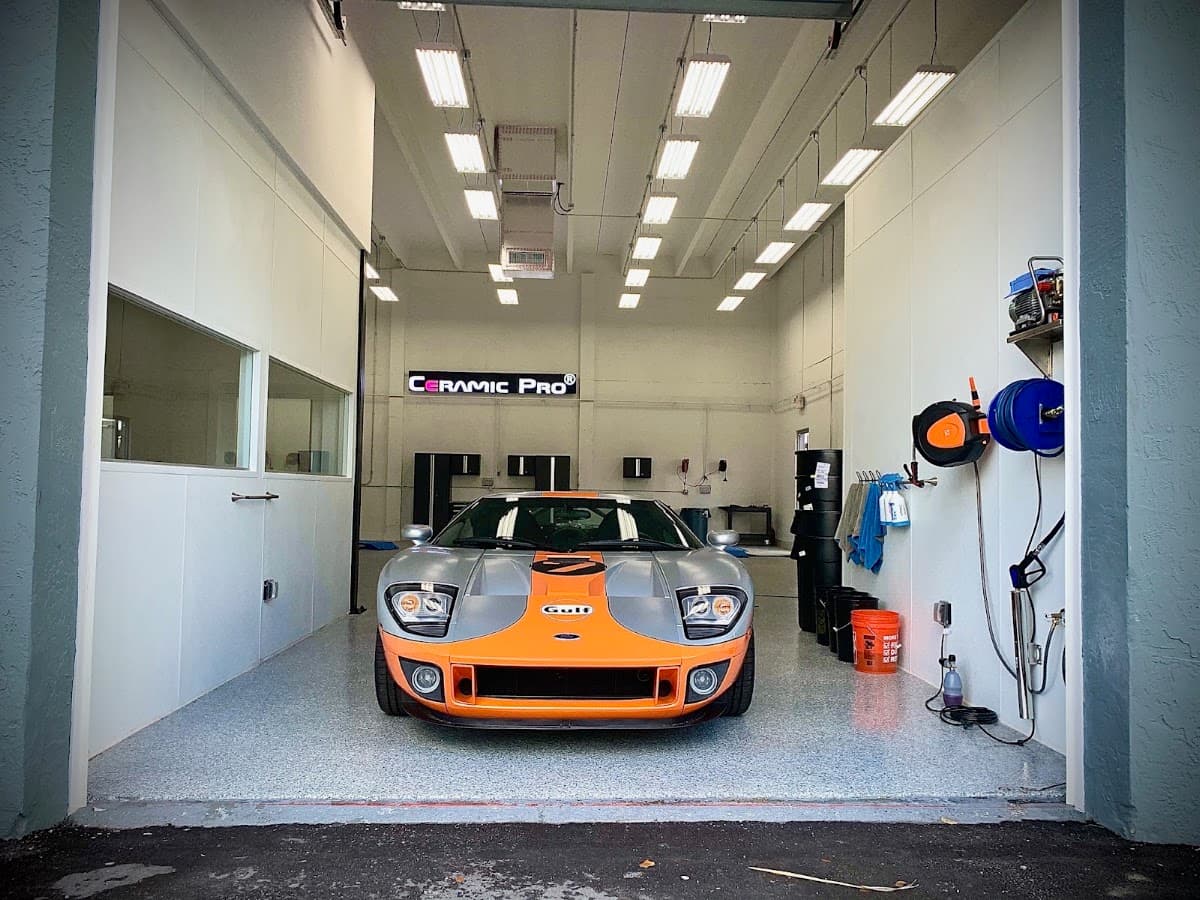
Detail Boutique
Miami
exotic & classic paint protection in Miami
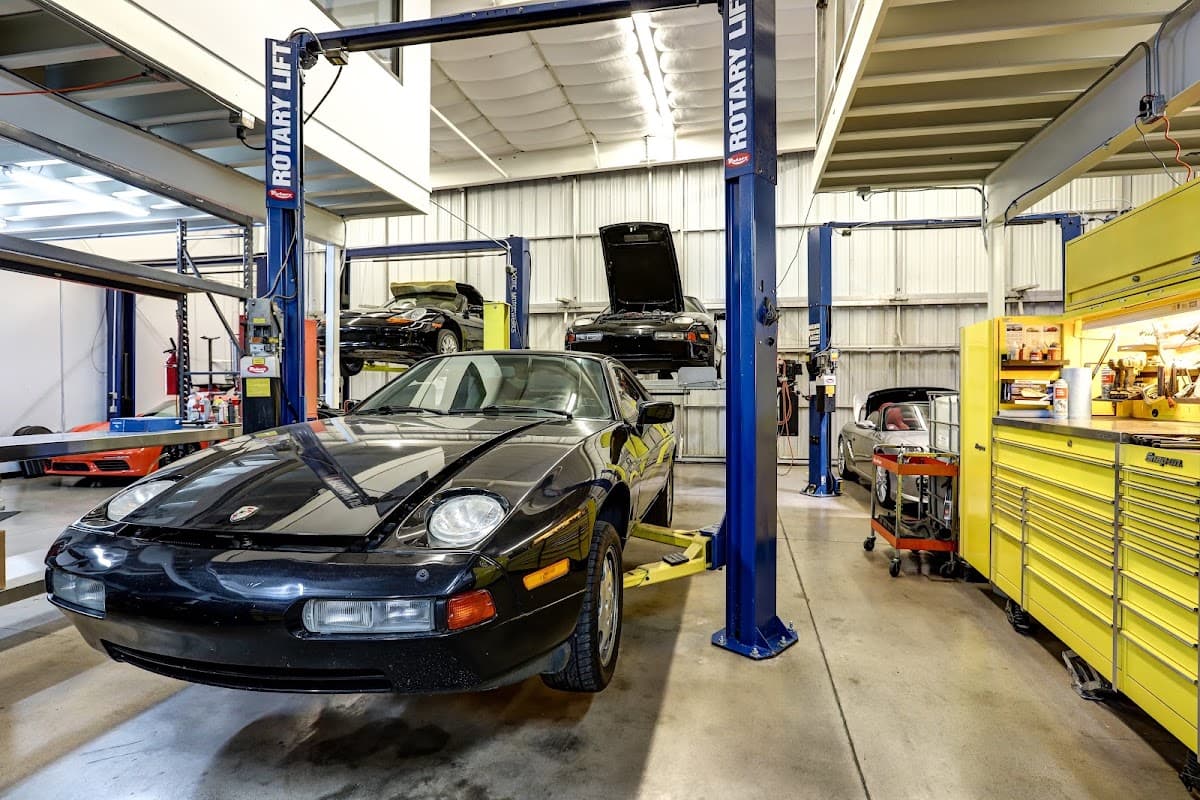
Exotic Motorwerks
Thunderbird Industrial Airpark
exotic & classic service in Scottsdale
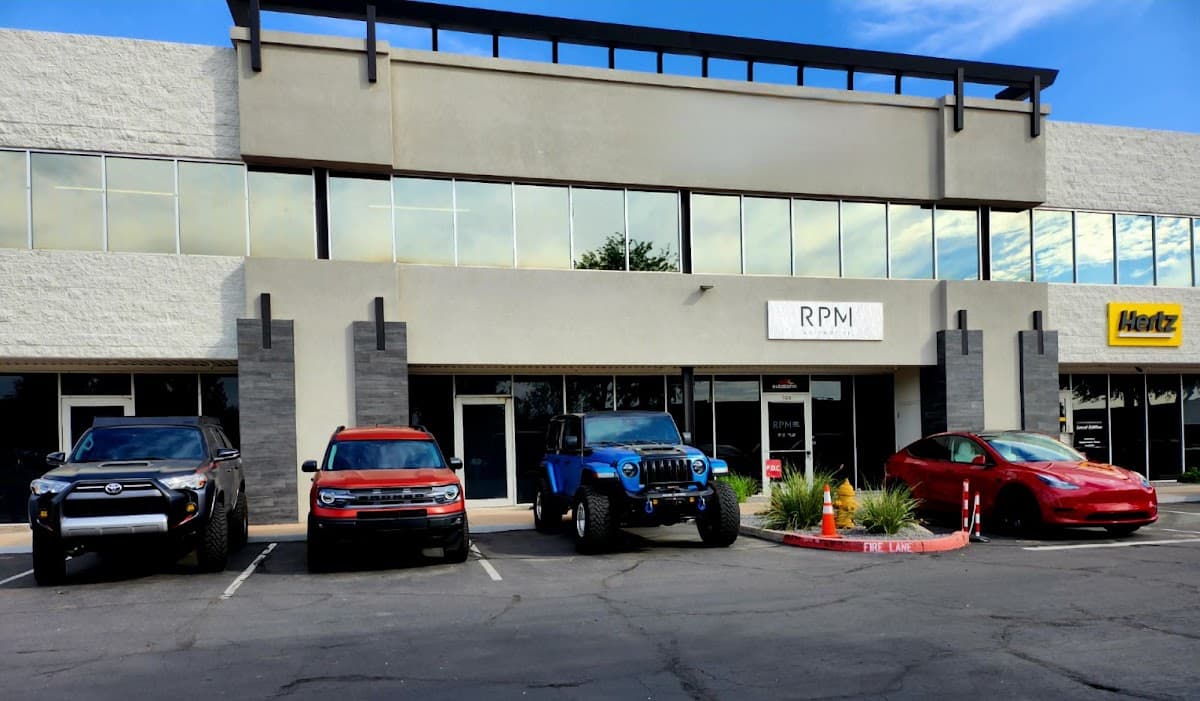
RPM Auto Styling
Scottspark Business Center
exotic & classic paint protection in Scottsdale