The SF90 is a different animal from any belt-service Ferrari: a high-voltage hybrid with all-wheel drive and dense electronics. Very few independents are equipped for its powertrain, so servicing usually means a specialist with hybrid-supercar credentials and the right software.
What the SF90 Stradale is
The SF90 Stradale is Ferrari's current top-tier hybrid road car, combining a twin-turbocharged V8 with three electric motors: two on the front axle and one integrated into the drivetrain at the rear. The combined system produces enough power to make this the most powerful series-production road car Ferrari had offered at the time of its launch. The Spider convertible variant followed the coupe with minimal mechanical changes.
This is not a performance car with a token hybrid system. The SF90's electric architecture is active in managing torque split and chassis dynamics under hard driving, and the car can run on electric power alone for short distances in urban conditions. The electrical architecture, battery cooling system, and power electronics are all Ferrari-specific and require genuine specialist knowledge to service correctly.
What separates a real SF90 specialist
Servicing the SF90 Stradale requires both high-voltage safety certification and Ferrari diagnostic access. The front eAxle system and the high-voltage battery are significant service considerations that a shop without the right certification and equipment should not attempt. Not all independent Ferrari specialists are equipped or qualified for high-voltage work.
A shop capable of working on the SF90 should demonstrate high-voltage certification, current DEIS access covering hybrid Ferraris, and specific experience with this chassis. Ask directly whether their technicians have worked on SF90s or on similarly configured hybrid models. The SF90 is serviced by fewer shops than conventional Ferraris. Finding the right one is worth the effort rather than settling for a shop that handles conventional Ferraris only.
Common issues and what to watch for
As a relatively young model with a complex system, the SF90's field reliability data is still accumulating in the specialist community. The twin-turbo V8 inherits its architecture from the 488 and F8 engine family, which is a known quantity with good service records. The hybrid system introduces additional failure modes: battery degradation over time, potential concerns with the eAxle cooling circuits, and power electronics that can develop faults in ways that require software-level diagnosis to identify.
Some early owners encountered software-related behavior in the transitions between electric and hybrid drive modes. Ferrari addressed these through calibration updates pushed via the dealer network. Keeping the car's software current is more important for SF90 owners than it is for owners of conventional Ferraris, because the hybrid coordination logic evolves through updates.
Service intervals and the hybrid dimension
The SF90 follows Ferrari's annual service cadence for conventional items: engine oil, spark plugs, brake fluid, and a DEIS diagnostic scan. The hybrid system adds battery and power electronics inspection to each service. The high-voltage battery is engineered for longevity, but its health should be checked with diagnostic tools at each service to catch degradation before it affects performance or range.
Brake wear on the SF90 is different from a conventional Ferrari because the front electric motors contribute to regenerative braking. Front brake pads typically see less wear than on a non-hybrid car, but the regenerative calibration gives the brake pedal a different feel that takes some acclimatization. If the feel seems off, it's usually a setup or calibration question rather than a fault.
Buying a Ferrari SF90 Stradale: what a pre-purchase inspection covers
A PPI for the SF90 should include a full DEIS diagnostic scan covering both the combustion engine and hybrid systems, a battery state-of-health evaluation, inspection of the eAxle cooling circuit, and verification that all software updates have been applied. Standard PPI procedures are insufficient here. You need a specialist with SF90-specific experience, high-voltage capability, and access to hybrid-capable DEIS diagnostics.
Service history documentation matters more on the SF90 than on most cars because the complexity and cost of hybrid system repairs is high. Any deferred service or unresolved fault code history deserves thorough investigation before purchase. The difference between a fully documented SF90 and one with gaps is not just a paperwork question; it reflects how the car and its systems were managed.
Independent specialist versus the dealer
For the SF90, the Ferrari dealer or authorized service center is often the right primary service partner, particularly during the warranty period and while software updates continue to be released. The hybrid system's complexity and the need for ongoing factory calibration updates make dealer access more important here than it is for a 488 or an 812.
Independent specialists who have invested in high-voltage certification and SF90-specific training exist, and their role will grow as cars age out of warranty coverage. If considering an independent shop for SF90 work, verify their high-voltage credentials specifically, confirm their DEIS access covers hybrid Ferrari configurations, and ask for references from other SF90 owners. General Ferrari expertise is a starting point, not sufficient on its own.
What to check on a Ferrari SF90 Stradale
- High-voltage hybrid credentials
- Ferrari-specific software and AWD experience
Common questions
Can an independent shop service the SF90's hybrid system?
Only one trained and equipped for high-voltage work. This is not a car for a general exotic shop; confirm hybrid-specific capability first.
Is the SF90 Stradale a true electric car?
No. It's a plug-in hybrid. The three electric motors provide meaningful all-electric range for short trips and contribute substantially to performance, but the twin-turbo V8 remains the primary power source for extended driving. The electric system is deeply integrated with the performance envelope, not just an efficiency measure.
How complex is the SF90 to service compared to other Ferraris?
It's among the most complex road cars Ferrari has produced. The hybrid high-voltage system requires specialized certification and equipment on top of standard Ferrari specialist capabilities. Fewer shops can service it fully than can service conventional Ferraris. Verifying high-voltage capability before booking any service is essential.
Does the SF90 Stradale have a cam belt?
No. The V8 in the SF90 is chain-driven, carrying forward the same architecture as the 488 and F8 platforms. There is no belt service interval.
What happens when the high-voltage battery in the SF90 degrades?
Degradation reduces the electric-only range and the contribution of the electric motors to hybrid performance. Full battery replacement is a substantial job. Checking battery state-of-health in any pre-purchase inspection is not optional. It's one of the most important data points for evaluating a used SF90.
Find a Ferrari specialist
Ferrari SF90 Stradale owners use Ferrari specialists for service, PPI, and restoration.
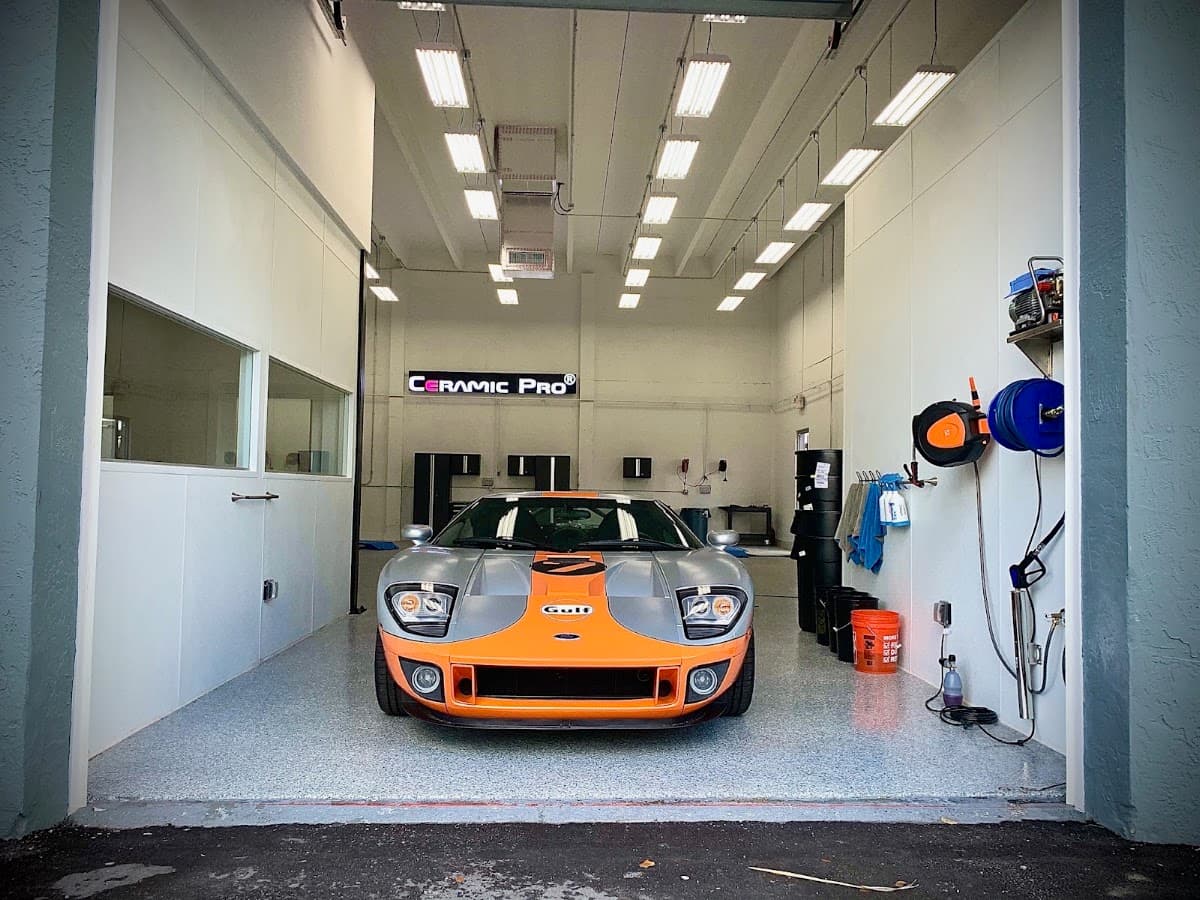
Detail Boutique
Miami
exotic & classic paint protection in Miami
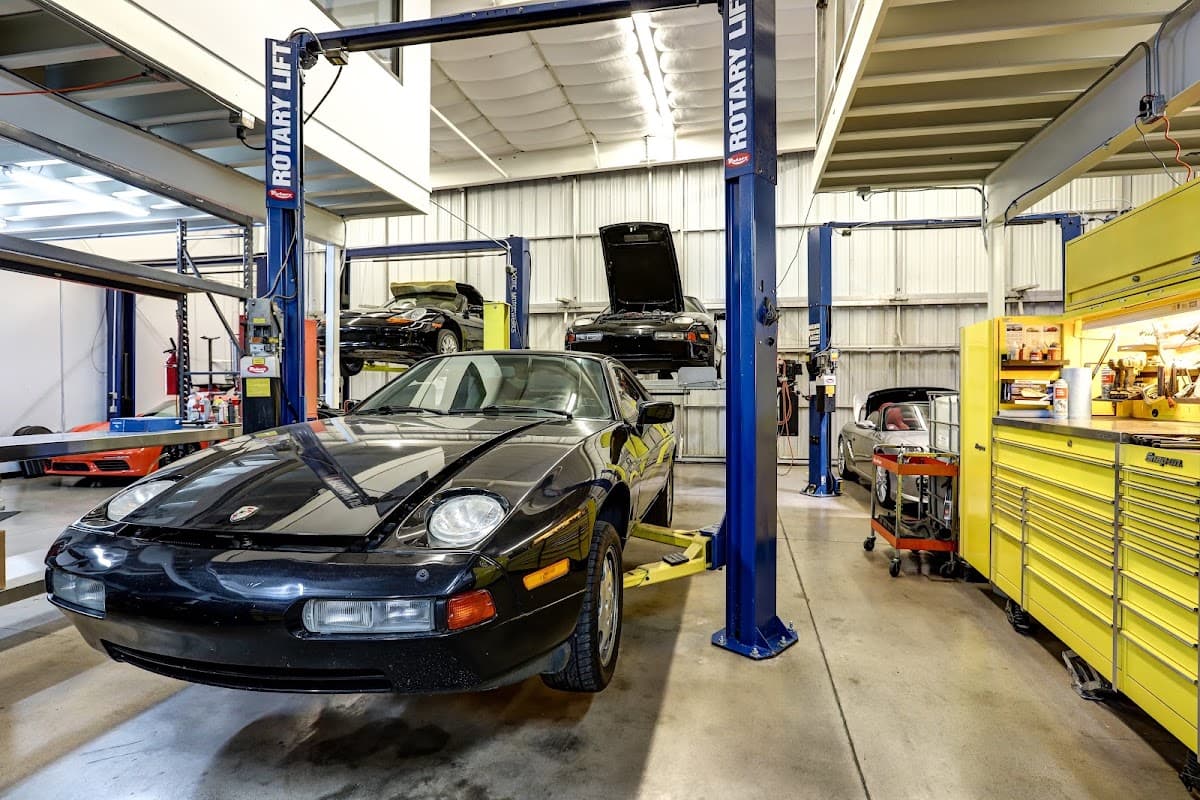
Exotic Motorwerks
Thunderbird Industrial Airpark
exotic & classic service in Scottsdale
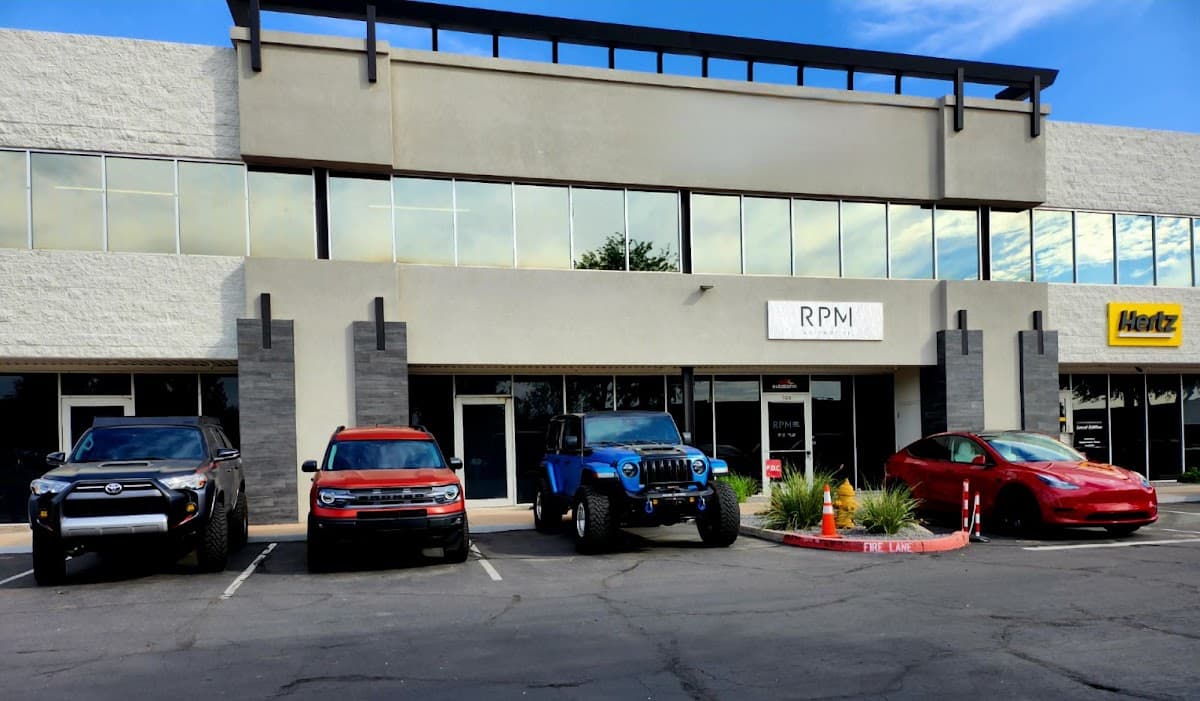
RPM Auto Styling
Scottspark Business Center
exotic & classic paint protection in Scottsdale